
Last updated November 22, 2026
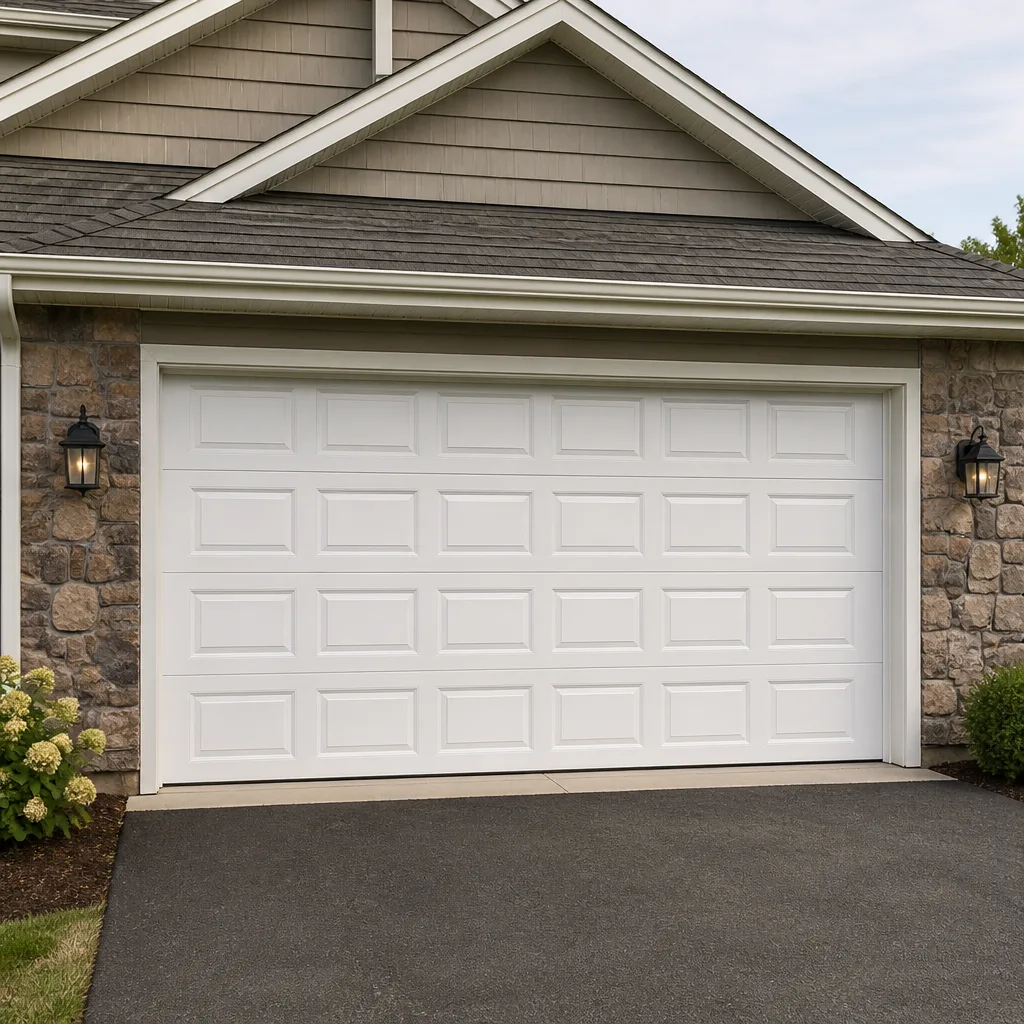 Raised-panel steel
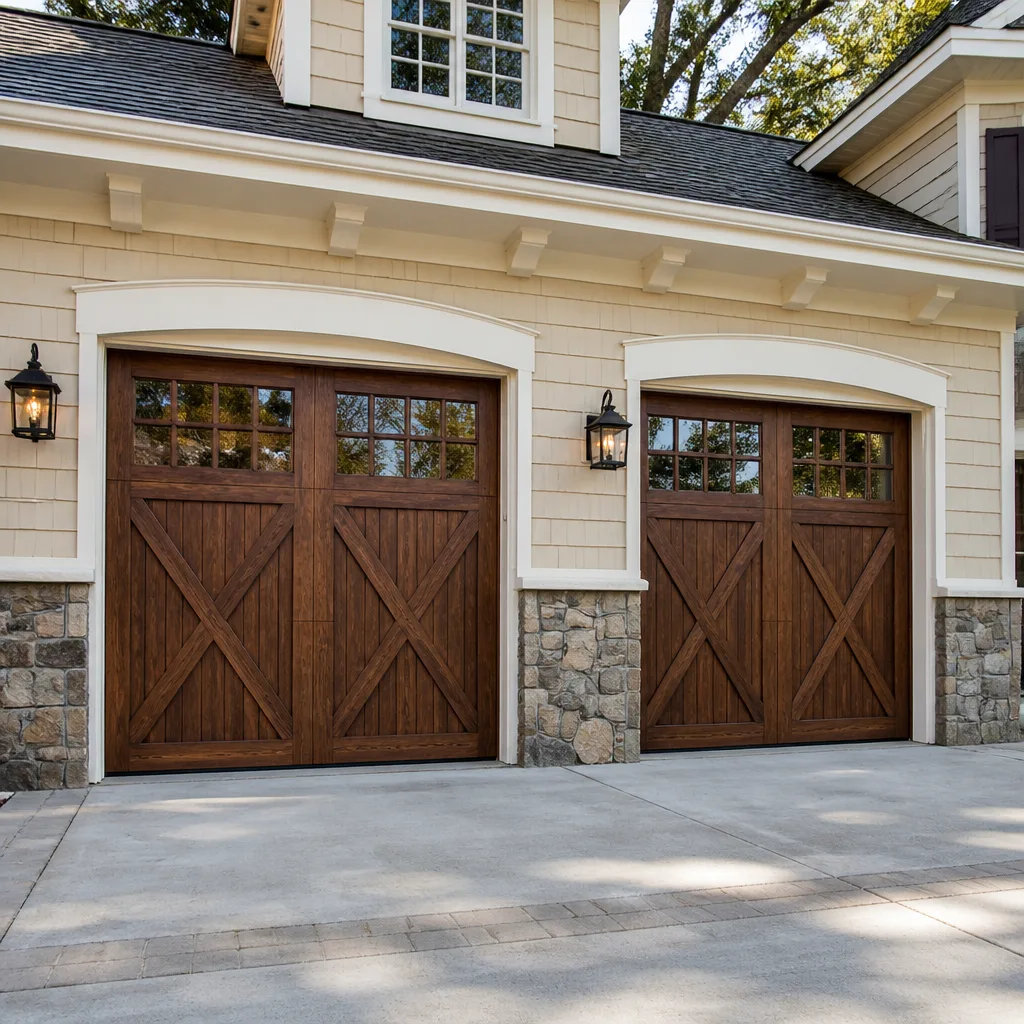 Carriage house
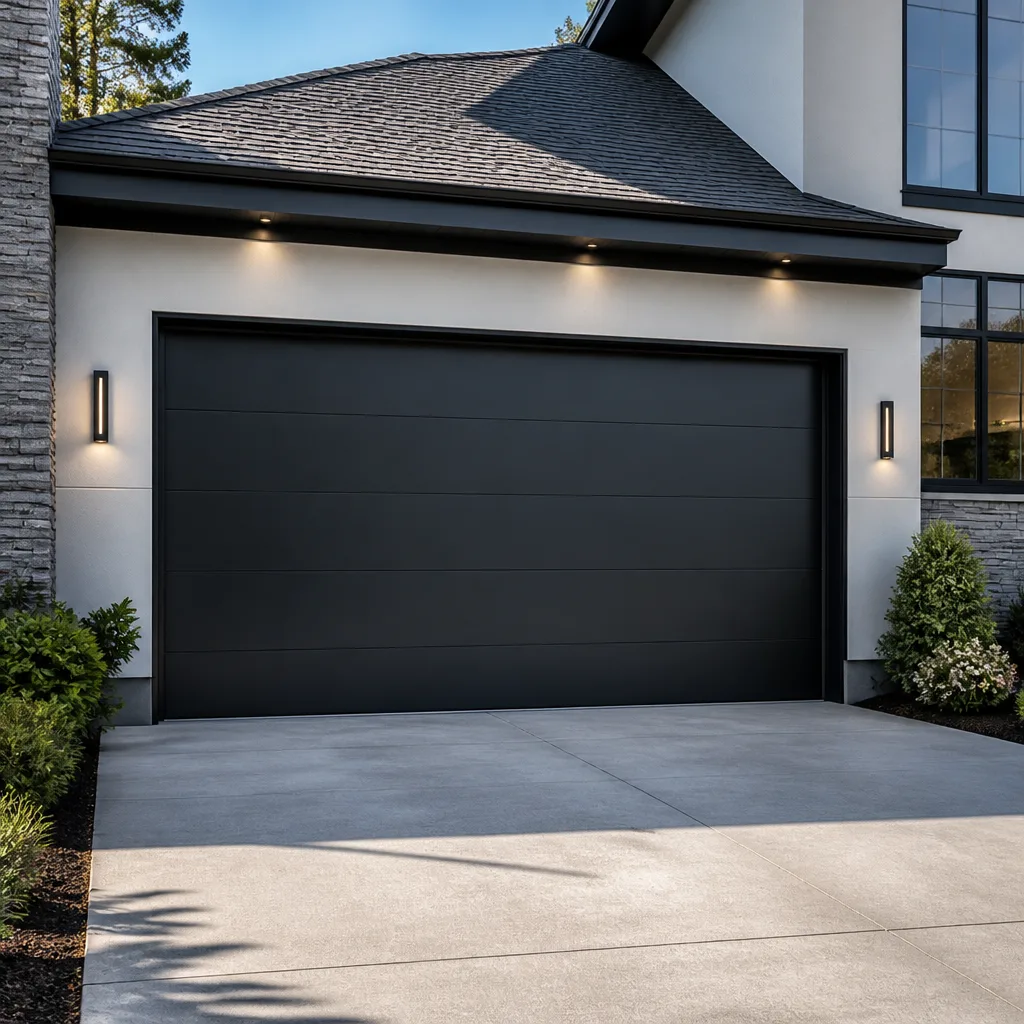 Modern flush
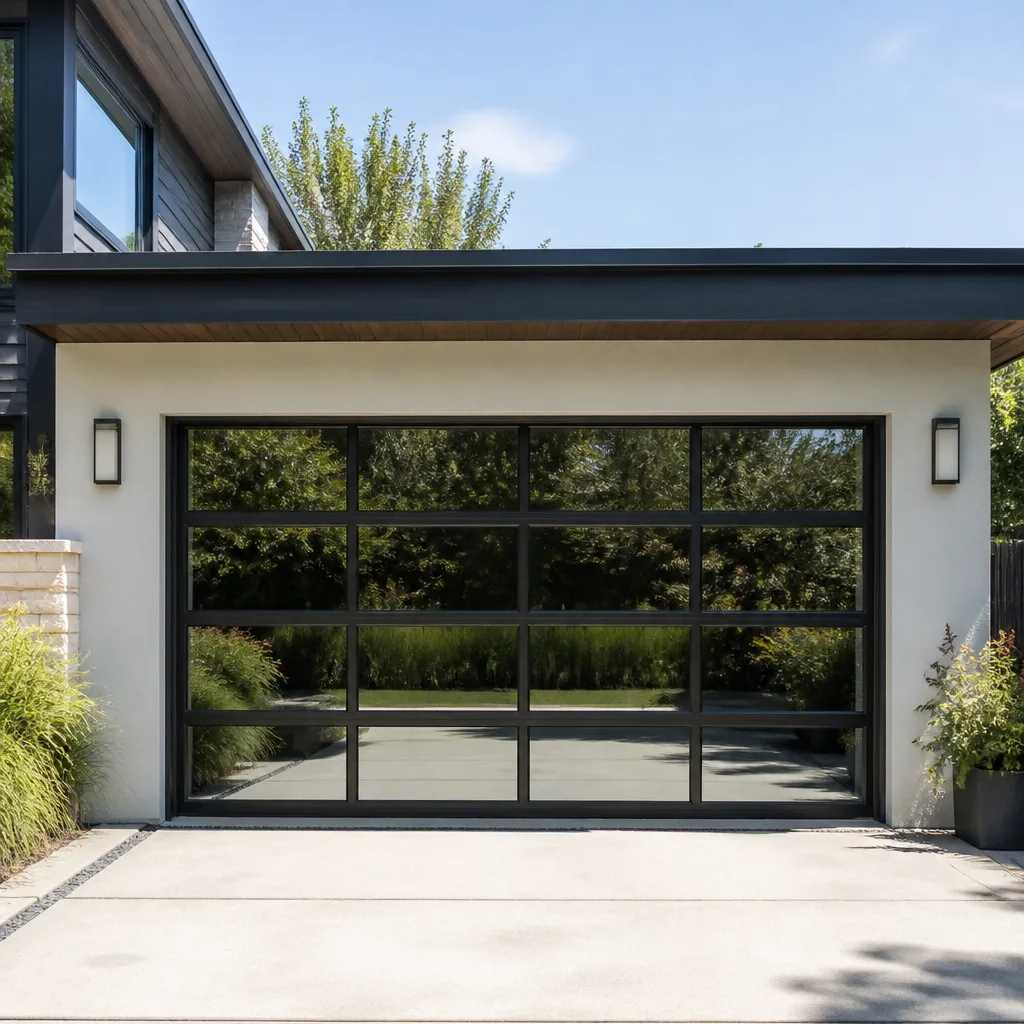 Full-view glass
 LiftMaster openers
 Chamberlain openers
Full 25-point door and opener safety check with every visit - springs, cables, rollers, tracks, and your LiftMaster or Chamberlain opener included
You get a price before we start. It does not change when the pro arrives.
Get your free estimateSeasonal Garage Door Care for Brentwood: Year-Round Homeowner’s Guide
Most homeowners assume the coldest week of the year is when torsion springs break. In our experience across Brentwood, the failures cluster later, in late February and March, when the thermometer swings above and below freezing day after day. That repeated freeze-thaw cycling fatigues steel far more than steady cold ever does. By the time a spring lets go, the warning signs were usually visible weeks earlier to anyone who knew where to look. This guide walks through a month-by-month care calendar built around Long Island’s real weather, not generic “winter prep” checklists. You’ll learn what to inspect and when, why late summer is the right moment for weatherstripping, and how to tell when routine care has uncovered a repair.
Quick Answer
Seasonal garage door care in Brentwood means matching maintenance to Long Island’s weather: check and lubricate hardware in spring after the freeze-thaw season, inspect weatherstripping and bottom seals in late summer before heating season, and test the door’s balance and safety features before each winter. The single most important habit is a slow visual inspection of springs and cables after any ice storm or nor’easter, before you press the opener. Most catastrophic failures give warning signs first.
Styles & brands we work with
- Raised-panel steel
- Carriage house
- Modern flush
- Full-view glass
- LiftMaster openers
- Chamberlain openers
Table of Contents
- Why Brentwood’s Climate Is Hard on Garage Doors
- The Month-by-Month Care Calendar
- Spring: Thaw Season and the Post-Winter Inspection
- Late Summer: Weatherstripping and Bottom Seals
- Fall: Preparing for the First Freeze
- Winter: Nor’easters, Ice Storms, and What to Check First
- Lubrication That Holds Up in Long Island Conditions
- When Seasonal Care Crosses Into Repair Territory
Why Brentwood’s Climate Is Hard on Garage Doors
Brentwood sits in a climate band that stresses every part of a garage door in a different season. Summer humidity swells wood panels and softens seals. Winter cold thickens lubricant and contracts metal. The transition months, spring and late fall, are when the real damage happens: repeated thaw-and-refreeze cycles work moisture into seams and metal grain, then expand it when temperatures drop again. That cycle is what fatigues torsion springs and loosens fasteners over a season.
Proximity to Long Island Sound and the Great South Bay adds another variable. The prevailing weather in Brentwood carries enough moisture and airborne salt to accelerate corrosion on hinges, rollers, and track hardware, especially on doors facing the open wind. That doesn’t mean every door rusts out, but it does mean the hardware needs attention more often than a door in a dry inland climate would. Galvanized and coated components last noticeably longer here than bare steel.
The practical takeaway: a garage door in Brentwood lives through four distinct stress periods a year, not one. Maintenance that’s timed to those periods catches problems while they’re still cheap to fix. That’s the thinking behind the calendar that follows.
The Month-by-Month Care Calendar
Here’s the schedule we recommend for Brentwood homeowners, tied to what the weather is actually doing on Long Island rather than to arbitrary seasons. Print it, stick it inside the garage door, and work through it.
- January: Visual check of springs, cables, and rollers after any deep cold snap. Listen for new grinding or popping sounds.
- February: Balance test (lift the door halfway by hand and release; it should stay put). This is peak freeze-thaw season, so inspect spring coils for gaps or stretch marks.
- March: Post-winter hardware inspection. Check every hinge, roller, and fastener for looseness or corrosion.
- April: Lubricate springs, hinges, rollers, and tracks. Clean tracks of winter grit and salt residue.
- May: Test the opener’s safety reverse feature. Check the photo-eye alignment.
- June: Inspect the door panels for warping or swelling as humidity climbs.
- July: Check the bottom seal for cracking. Listen for air leaks around the perimeter.
- August: Full weatherstripping inspection (details in the late summer section below).
- September: Replace worn seals and weatherstripping before heating season begins.
- October: Pre-freeze lubrication pass. Test the door’s balance again.
- November: Inspect for drafts and check the opener’s force settings.
- December: Winter readiness check: lubricant, seals, balance, safety reverse, and a slow visual of springs and cables.
None of these tasks takes more than a few minutes. The value is in the timing, catching each component when the climate stress on it is at its peak.
Spring: Thaw Season and the Post-Winter Inspection
March is when we field the most torsion spring calls in Brentwood, and it’s not because March is the coldest month. It’s because the freeze-thaw cycle has been cycling steel for weeks by then. Each expansion and contraction nudges the metal a little closer to fatigue. A spring that looked fine in December can be on its last turn by early March.
Here’s what to check after winter, in order:
- Springs: Look at the coil with the door closed. A healthy torsion spring is a continuous, evenly spaced coil. A gap of an inch or more, a visible stretch, or a coil that looks unwound means it’s close to failing. Never touch, wind, or adjust a torsion spring yourself. The stored energy in a wound spring is enough to cause serious injury, and this is the one garage door repair that should always go to a trained technician.
- Cables: Check for fraying, kinks, or slack on either side. Cables under tension are equally dangerous and belong to the same hands-off category.
- Hinges and rollers: Look for rust bloom, cracks, or wobble. A roller that’s worn flat on one side will make the door jerk as it travels.
- Fasteners: Give every hinge screw and track bolt a light tighten. Winter vibration works them loose.
- Panels: Walk the inside of the door looking for dents, cracks, or separation at the seams. Freeze expansion can split a wood panel seam.
If anything looks off with springs or cables, stop operating the door and get it looked at. Our garage door spring repair work is handled by technicians who do this daily, and the risk of a DIY attempt on these components isn’t worth the savings. For everything else, this is also the right month to schedule a full balance and safety check.
Late Summer: Weatherstripping and Bottom Seals
Late August is the right time to inspect weatherstripping in Brentwood, and it’s the task most homeowners get wrong by leaving it until fall. By late summer, a season of humidity and heat has done its work on rubber and vinyl seals: they’ve hardened, cracked, or pulled away from the frame. If you inspect now, you have weeks to replace them before heating season makes the gaps expensive.
Why it matters: the bottom seal and perimeter weatherstripping are what keep cold air, moisture, and pests out of the garage. A cracked bottom seal that lets in a steady cold draft forces the heating system in an attached garage to work harder all winter. It also lets meltwater creep under the door during a thaw, where it refreezes and can damage the threshold.
What to check:
- Bottom seal: Close the door and look along the floor line from inside. If you can see daylight anywhere, the seal has failed. Run a hand along the rubber and feel for hardness or cracking.
- Side and top weatherstripping: Push a finger against the strip at several points. It should compress and spring back. If it’s stiff or crumbly, replace it.
- Threshold: Look for gaps between the door and the floor slab, especially at the corners. A threshold seal may be the fix.
- Attached-garage drafts: On a windy day, stand inside the garage and feel the perimeter for air movement.
Replacing a bottom seal is a reasonable DIY job with the right part. If the door has wood panels that have swelled or warped over the summer, or if the door doesn’t close flush because of a track issue, that’s a call worth making. A worn Genie or Clopay door that shuts unevenly usually has a hardware cause, not a seal cause.
Fall: Preparing for the First Freeze
October and early November are the last chance to get the door ready before the first hard freeze, and it’s the most important maintenance window of the year in Brentwood. Cold changes how every component behaves: lubricant thickens, metal contracts, and any gap or loose part gets worse fast.
Work through this list before the first frost:
- Lubricate everything that moves: springs (sparingly, with a proper garage door lubricant, never WD-40 as a long-term fix), hinges, rollers, and the torsion bar bearings.
- Balance test: Disconnect the opener (pull the release handle) and lift the door by hand to about halfway. Let go. A balanced door stays put. One that drops or rises on its own has a spring tension problem and needs professional attention.
- Safety reverse test: With the opener reconnected, lay a roll of paper towels flat on the floor in the door’s path and close the door. It should reverse on contact. If it doesn’t, the force or travel limits need adjusting, and until they’re set right, the door shouldn’t be operated without someone watching.
- Photo-eye check: Confirm both sensors have a clear line of sight and the indicator lights are solid, not blinking. Wipe the lenses clean.
- Weatherstripping pass: If you haven’t replaced worn seals yet, do it now, before the cold sets the gaps.
This is also the moment to check the opener’s manual, or look up the model, so you know what you’re working with. If the opener is a Chamberlain, LiftMaster, or Craftsman, its force and travel adjustments follow a similar pattern. Our garage door opener repair team handles all of these, and if the unit is failing, we’ll tell you whether adjustment or replacement is the right call.
Winter: Nor’easters, Ice Storms, and What to Check First
After a nor’easter or an ice storm, don’t press the opener. That’s the rule we want every Brentwood homeowner to know. Winter storms do two things to a garage door: they load it with ice and snow that changes the weight distribution, and they can physically deform tracks, cables, or panels. Operating a compromised door turns a repair into a much bigger one, and in the worst case it can drop the door off its track.
Before operating the door after a storm, check:
- Tracks: Look for bent or misaligned vertical and horizontal tracks. Any bend means the door shouldn’t run until it’s straightened or replaced.
- Cables: Look for ice buildup or visible fraying. Ice on a cable can unseat it from a drum, which is a serious failure.
- Bottom seal and threshold: Ice frozen to the threshold will grab the door. Break it free before running the opener.
- Panels: Check for cracks or separation, especially on wood doors, where freeze expansion is most damaging.
- Springs: A slow visual check of the coil, same as in spring. Never attempt to adjust or rewind anything here.
During deep cold, you may notice the door running slower or the opener straining. That’s usually thick lubricant and contracted metal, not a failure. If the door stops partway or reverses on its own, stop cycling it and call. The winter pattern to watch for is a door that works fine in the morning and fails in the evening, which points to a temperature-sensitive spring or a force setting at its limit. In our experience, that’s the point where a call now saves a much larger job later.
Lubrication That Holds Up in Long Island Conditions
The wrong lubricant is worse than none in this climate. Standard WD-40 is a solvent, not a long-term lubricant, and it strips the factory grease off hinges and rollers without replacing it. In Brentwood’s humid summers and freeze-thaw winters, you want a product that stays put across temperature swings.
What to use, and where:
- White lithium grease or a dedicated garage door lubricant on hinges, rollers, and the torsion bar bearings. These stay viscous across temperature and don’t attract as much grit.
- Silicone spray on the weatherstripping and bottom seal. It keeps rubber supple in summer and prevents ice adhesion in winter.
- Light application only on springs. A thin coat reduces friction and slows corrosion.
- Never use heavy grease on tracks. Tracks should be clean and dry. Grease attracts grit and salt, which turns into a grinding paste that wears rollers fast.
For coastal conditions specifically, look for lubricants with corrosion inhibitors and reapply more often than you would inland. Two light passes a year, in spring and fall, are enough in most Brentwood homes. If your hardware is already showing rust bloom, a garage door repair visit can catch whether the rust is cosmetic or structural before it spreads.
When Seasonal Care Crosses Into Repair Territory
Seasonal maintenance is meant to prevent breakdowns, but it also surfaces problems. Here’s how to tell the difference between “routine” and “call someone.”
Signs you’ve crossed the line:
- The door doesn’t stay halfway when you balance test it. That means spring tension is wrong, and springs aren’t a DIY component.
- You see a gap, stretch, or unwound coil in a torsion spring. Don’t operate the door. Call.
- A cable is frayed, kinked, or off its drum. Same rule: stop and call.
- The door closes unevenly or scrapes. This is usually a track or roller issue that’s cheap to fix now and expensive to ignore.
- The opener reverses on its own, runs at the wrong speed, or the safety reverse fails. Adjustment or repair is needed before the door is used.
- Panels are cracked, warped, or separating at the seams. A structural panel issue can affect how the door runs and whether it’s safe to operate.
The distinction matters because the risky components, springs and cables, carry stored mechanical energy that can injure anyone handling them without training. Our technicians have up to 11 years of experience with these, and that’s exactly the kind of job we want homeowners to hand off rather than attempt. When seasonal care turns up a real problem, that’s when a repair visit makes sense.
Common Mistakes to Avoid
- Greasing the tracks. It seems logical, but grease in the tracks collects grit and salt and wears rollers out faster. Tracks should be wiped clean and left dry.
- Using WD-40 as a lubricant. It’s a solvent that strips existing grease and evaporates. Use a dedicated garage door lubricant instead.
- Adjusting a torsion spring. This is the single most dangerous garage door repair. A wound spring can release enough energy to break bones, and it belongs to a trained technician.
- Waiting until winter to inspect weatherstripping. By then the gaps are set for the whole heating season and the draft is already costing you. Inspect in late summer when the seals are at their worst.
- Running the door after an ice storm without a visual check. Bent tracks, ice-frozen thresholds, and unseated cables cause the worst damage when the opener runs first and you look second.
- Skipping the balance test. It takes 30 seconds and catches spring problems before they become a failed door. Most homeowners never do it.
- Assuming the opener is the problem. A door that reverses or struggles is more often a hardware or spring issue than an opener issue. Diagnosing the door first saves you from replacing a working opener.
See the difference
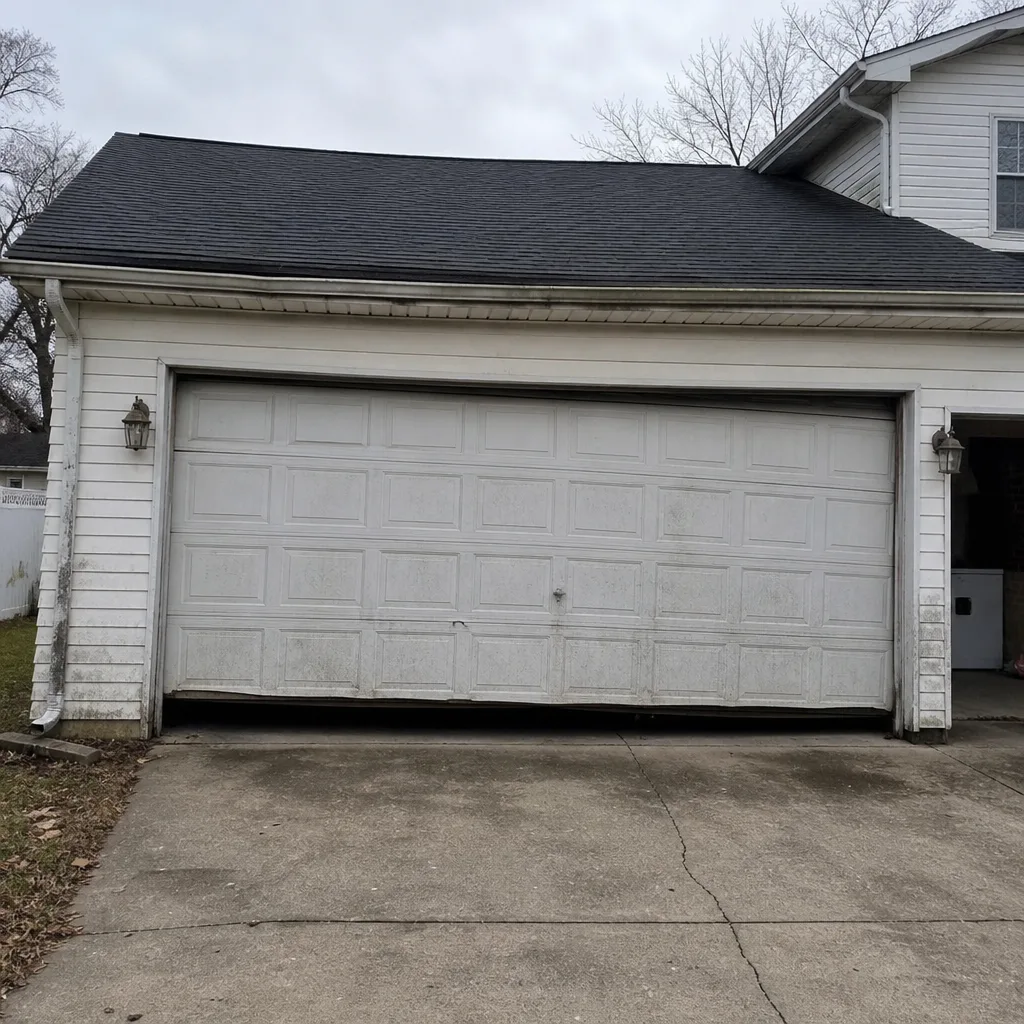 Before
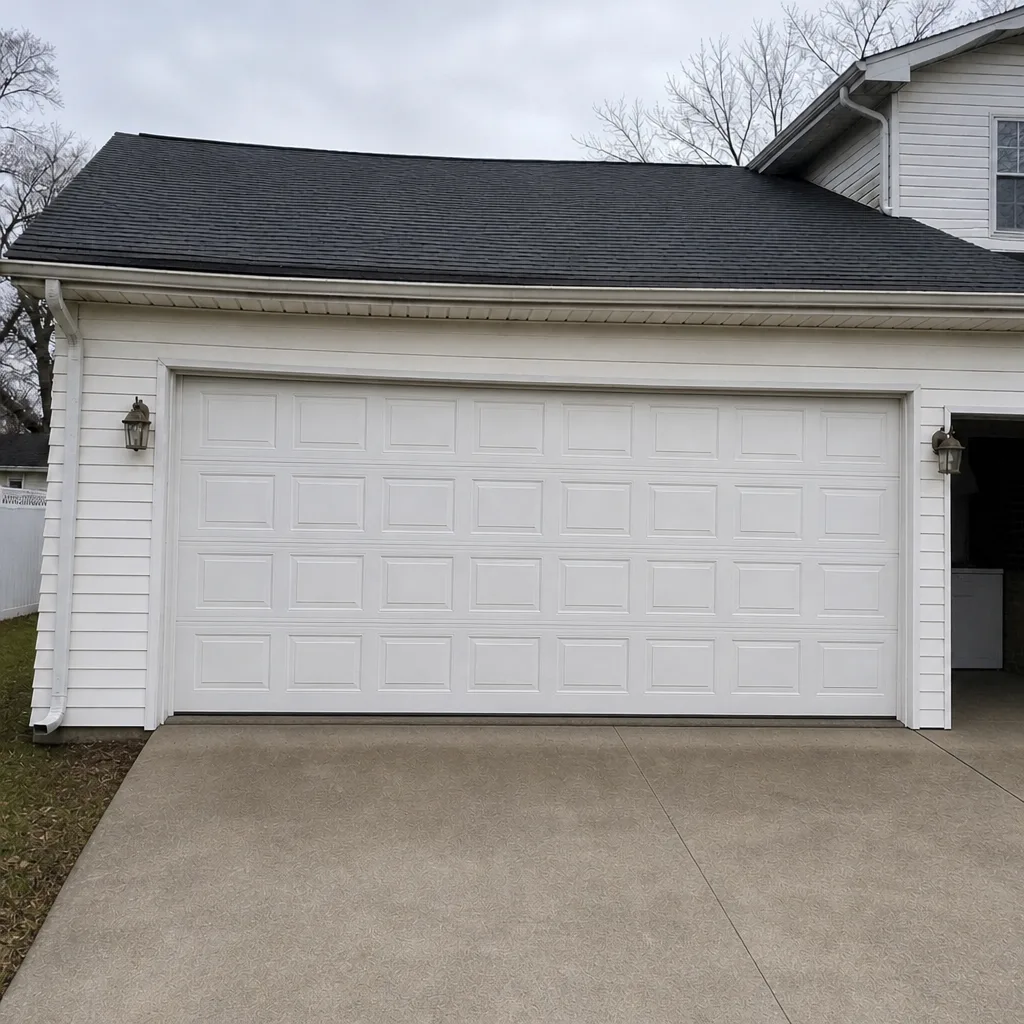 After
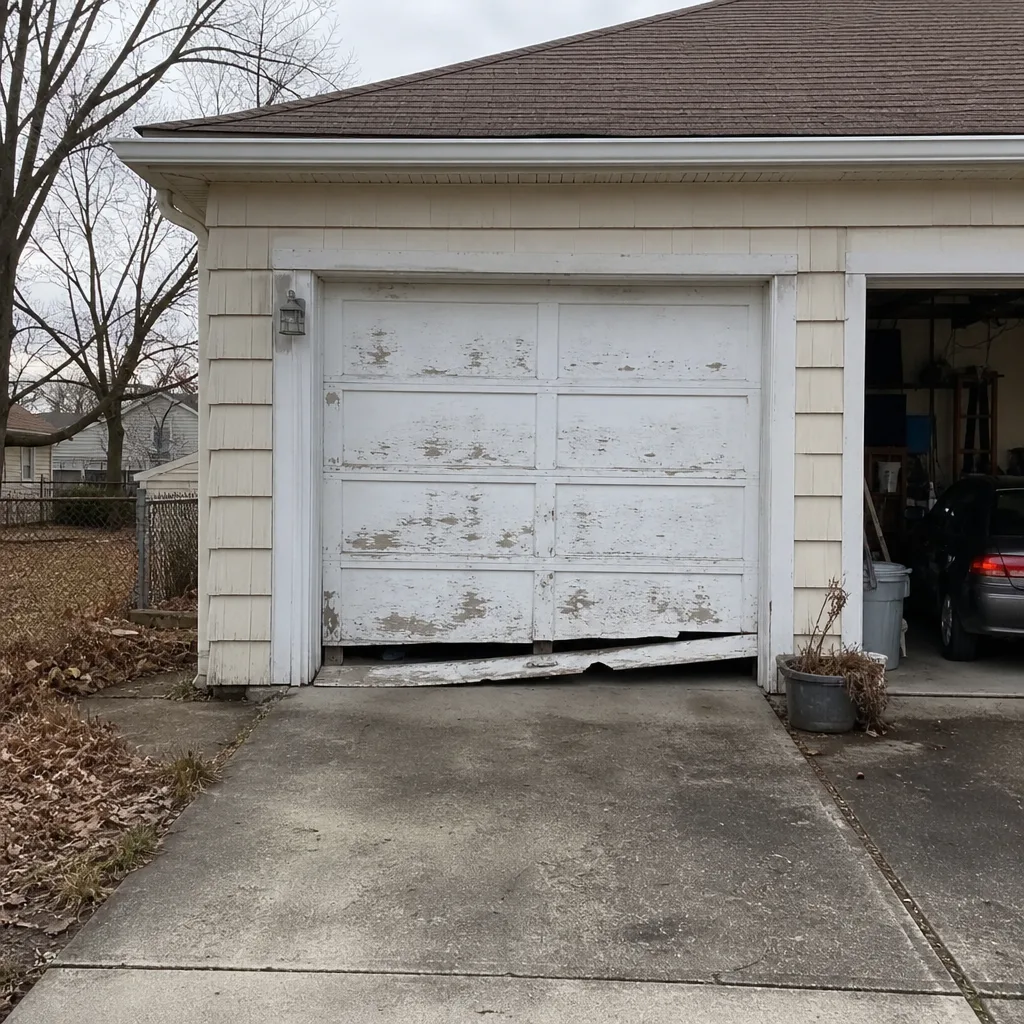 Before
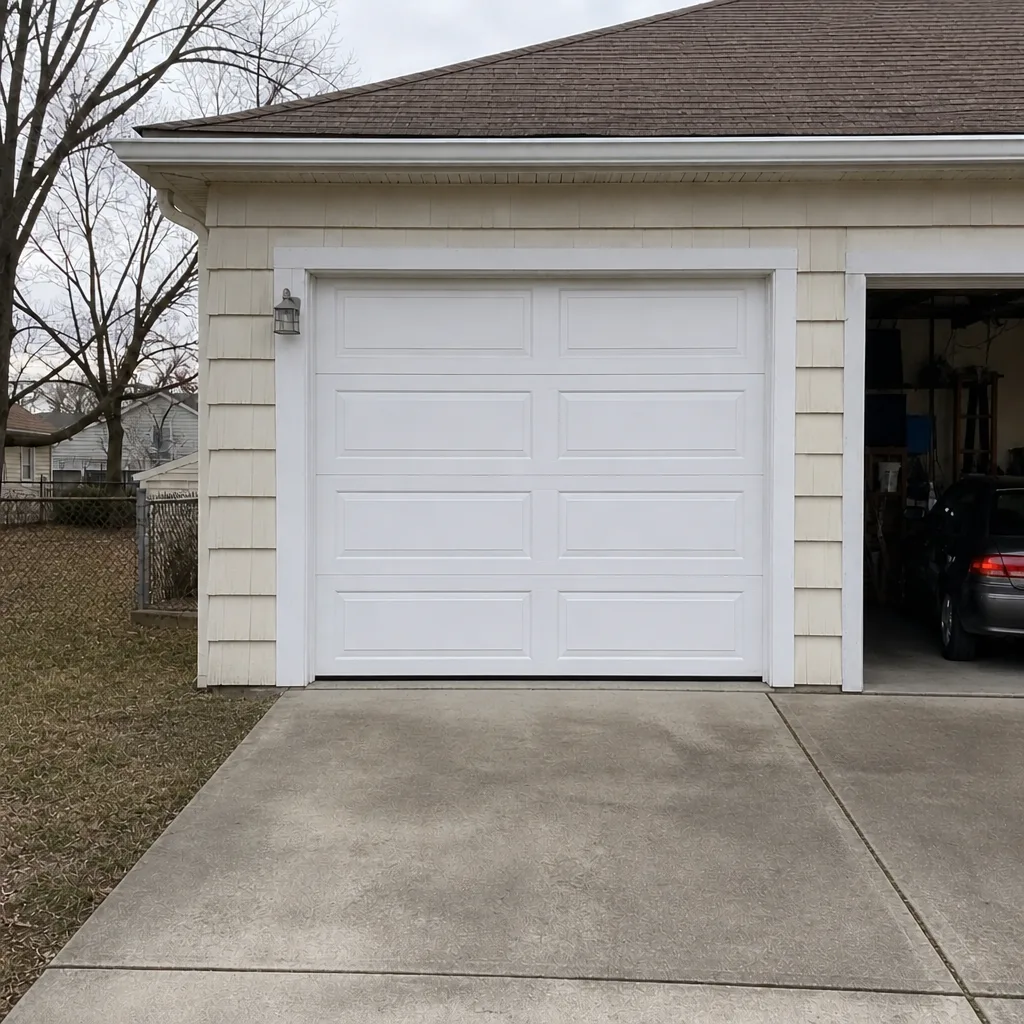 After
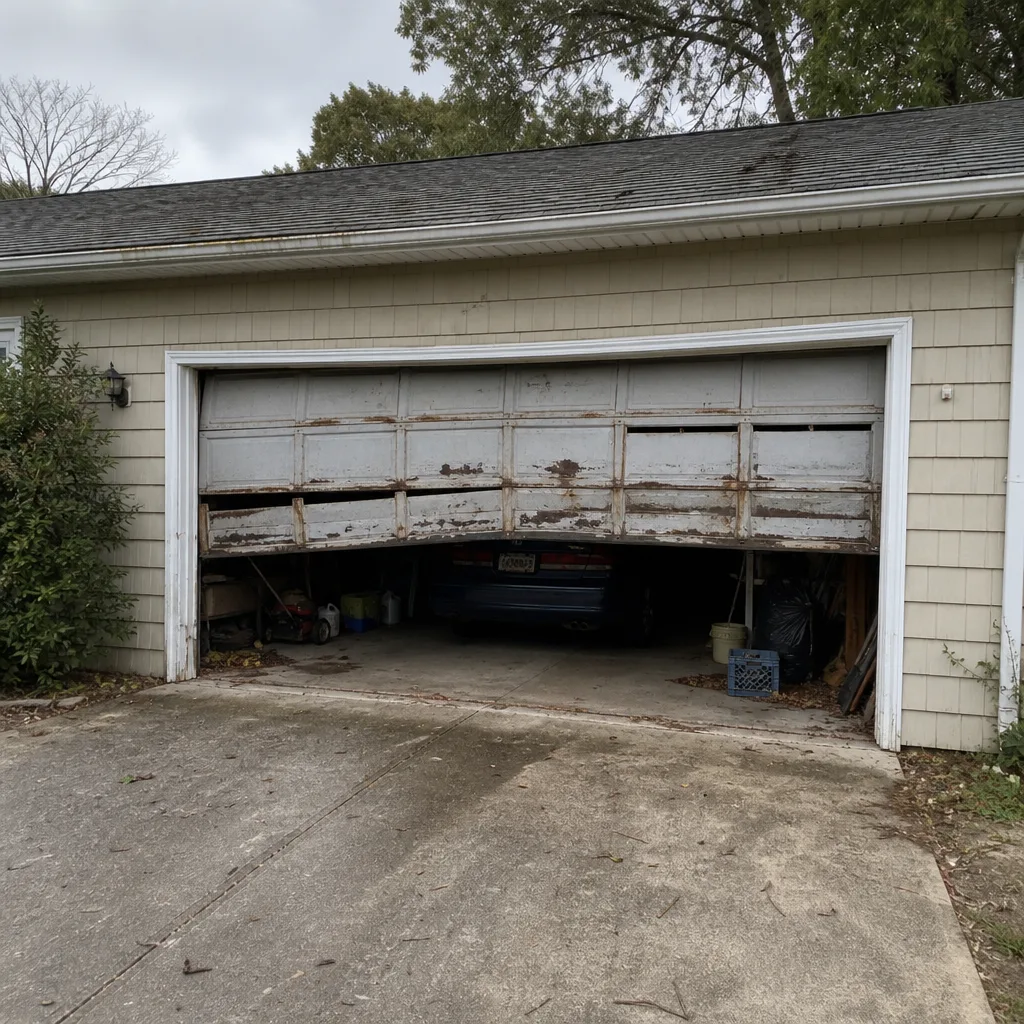 Before
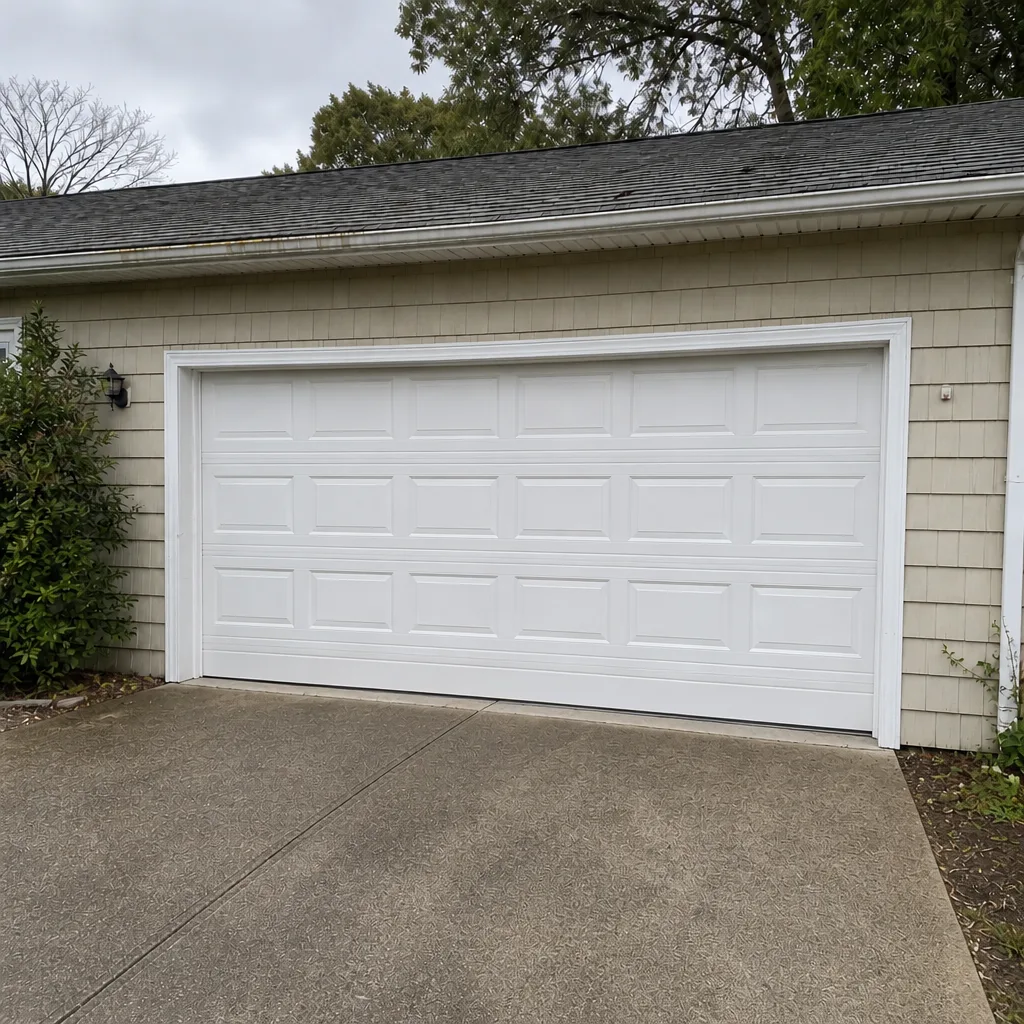 After
When to Call a Professional
Call when the problem involves springs, cables, or track alignment, or when the door won’t stay balanced, won’t reverse on contact, or closes unevenly. These are the repairs where a small error is dangerous or expensive. Also call after any storm that visibly deformed the door, or if the opener reverses on its own or fails the safety test. For everything else, the seasonal calendar above is genuinely something you can handle. If you’re not sure which category you’re in, describe what you’re seeing and we’ll tell you honestly whether it’s a DIY job or not.
Brentwood Garage Door Repair Co offers free estimates in Brentwood. Call (855) 337-1178. We answer 24/7. Fast dispatch from 7am to 7pm, Sunday through Friday.
Frequently Asked Questions
They most often break in late February and March, not in the depths of January. The repeated freeze-thaw cycle in late winter fatigues the metal more than steady cold, so the failure tends to come as the season turns. If your door is 8 to 10 years old, watch for a gap or stretch in the coil and have it inspected before it fails.
Twice a year, in spring and fall, is right for most Brentwood homes. The fall pass matters most because it takes the door through freeze season with fresh lubricant. Use a dedicated garage door lubricant or white lithium grease on hinges and rollers, and silicone spray on seals. Never grease the tracks themselves.
Maintenance can’t reverse metal fatigue, but it does catch a spring that’s failing before it snaps. A spring with a visible gap or stretch is on its way out, and replacing it on a planned visit is far easier than dealing with a door that won’t open. Inspect the coil every few months and call when you see a change.
Check the tracks for bends, the cables for ice or fraying, the bottom seal for ice frozen to the threshold, and the panels for cracks before you operate the door. If anything looks off, don’t run the opener. Operating a compromised door is what turns a repairable problem into a major one.
Yes. Late summer is the best time because the seals have had a full season of heat and humidity, so you’re seeing their true condition, and you have weeks to replace them before heating season. A cracked bottom seal lets cold air in all winter and meltwater under the door during thaws. Replacing it now is one of the best-value jobs on this list.
Disconnect the opener and test the door by hand. If it’s hard to lift, drops on its own, or scrapes, the problem is the door’s hardware or springs, not the opener. If the door moves smoothly by hand but the opener still struggles or reverses, the opener is the likely cause. Our garage door opener repair team sorts this out on a single visit.
The Bottom Line
Garage door care in Brentwood works best when it follows the local weather calendar, not a generic checklist. The freeze-thaw cycle in late winter is what breaks torsion springs, so inspect them in February and March. Late summer is when weatherstripping fails and the right time to replace it. Fall is the last chance to lubricate and balance before the cold. And after any winter storm, check the door before you run the opener. These habits take minutes and prevent the failures that cost the most.
When something looks wrong with the springs, cables, or track, don’t push through. Call us at (855) 337-1178 for a free estimate. We answer 24/7, and fast dispatch runs 7am to 7pm, Sunday through Friday. We work on the brand you already have, including LiftMaster, Chamberlain, Genie, Clopay, Amarr, Wayne Dalton, Craftsman, and Raynor, and we’d rather fix your current door than sell you a new one. Start with Brentwood Garage Door Repair Co and let’s get it working right.
Written by the team at Brentwood Garage Door Repair Co.