
Last updated November 22, 2026
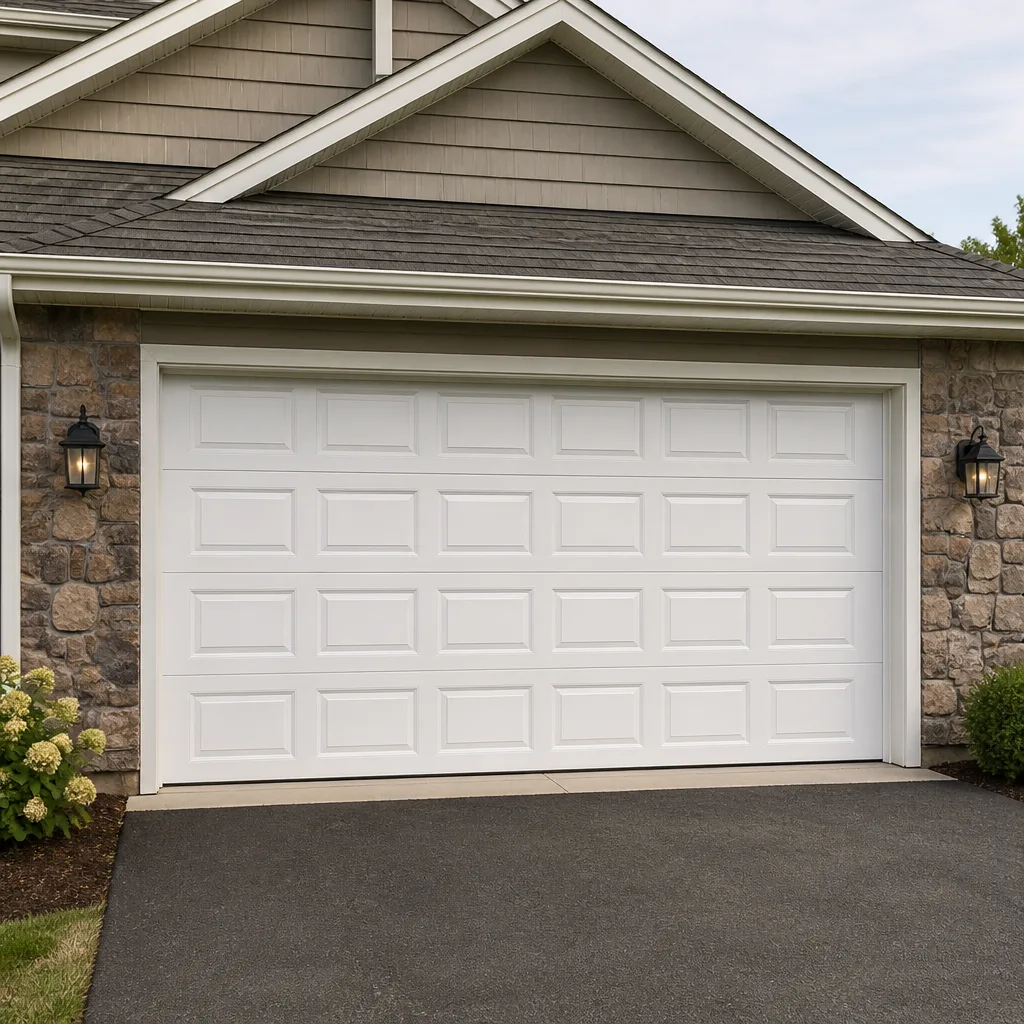 Raised-panel steel
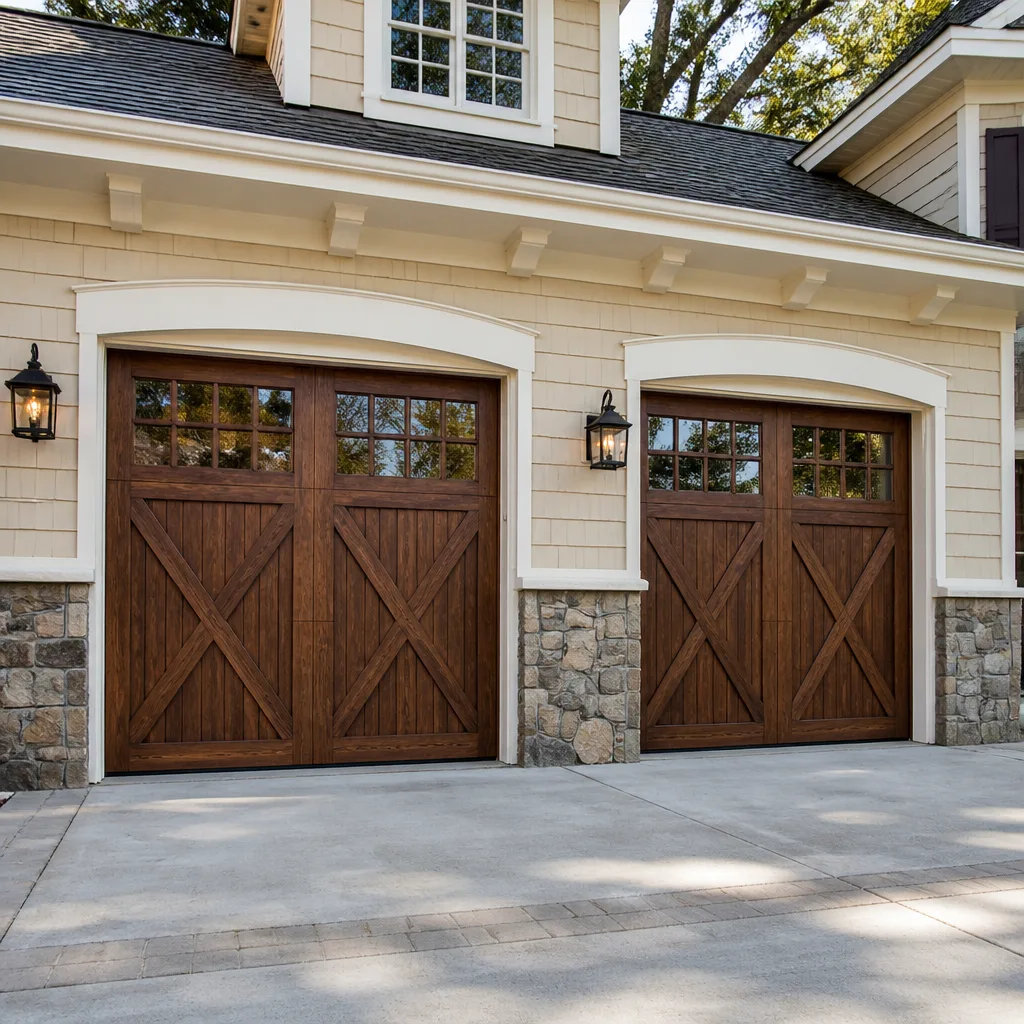 Carriage house
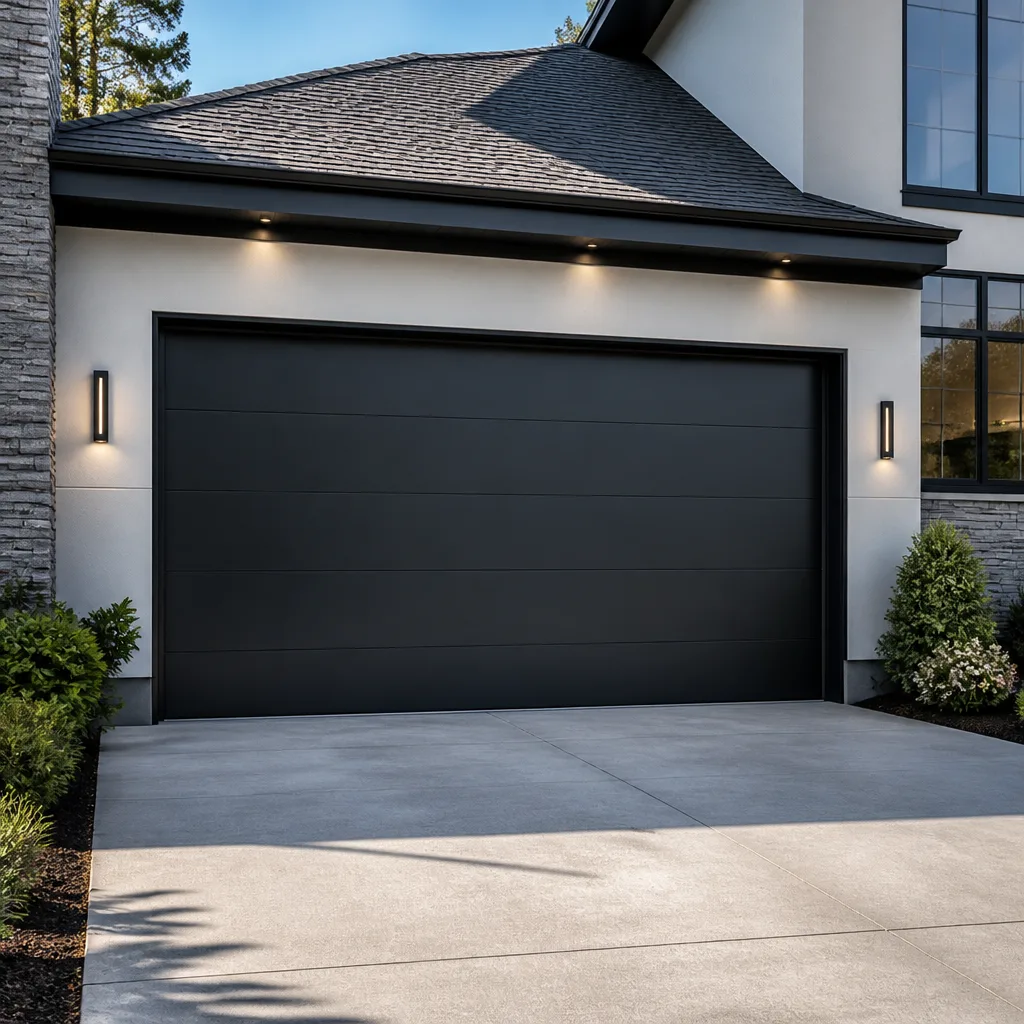 Modern flush
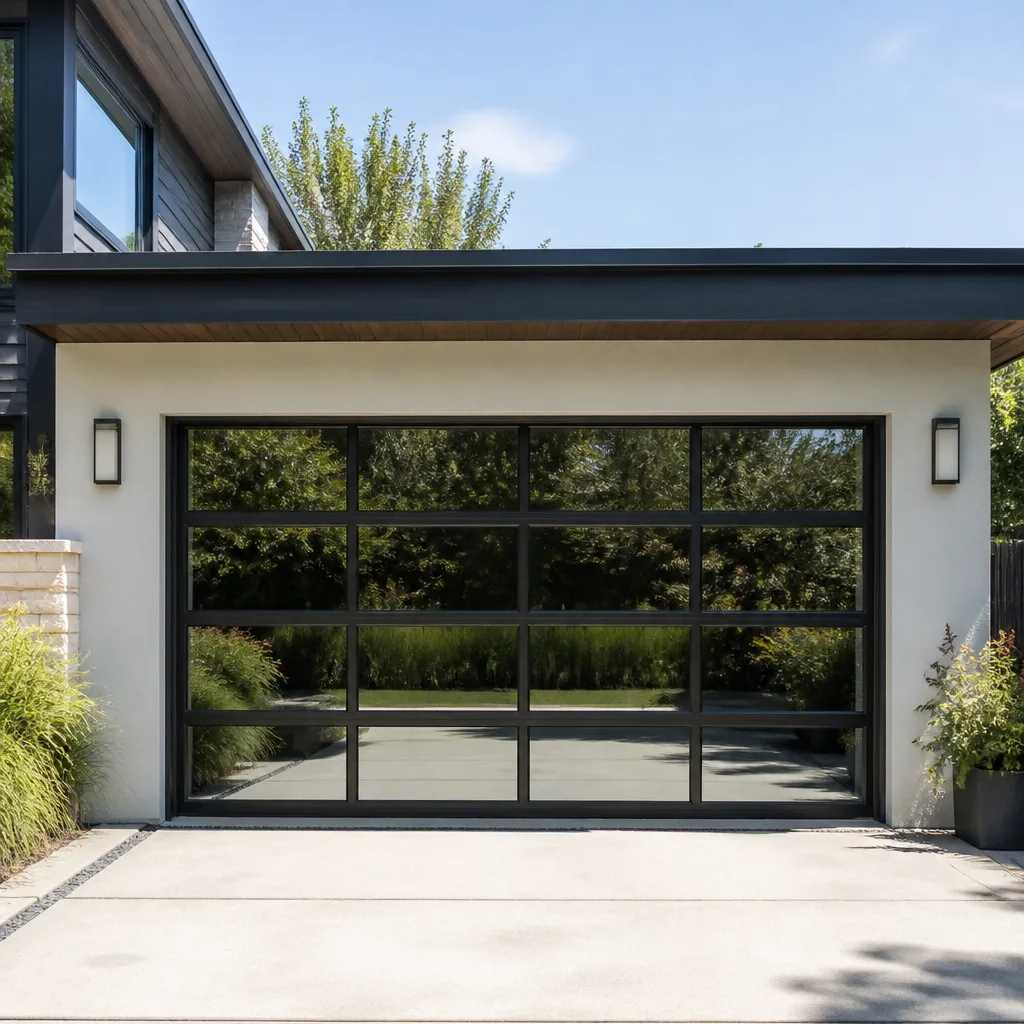 Full-view glass
 LiftMaster openers
 Chamberlain openers
Full 25-point door and opener safety check with every visit - springs, cables, rollers, tracks, and your LiftMaster or Chamberlain opener included
You get a price before we start. It does not change when the pro arrives.
Get your free estimateDIY vs Professional Garage Door: The Brentwood Homeowner’s Decision Guide
Most garage door advice online treats every task the same way: either “never touch it” or “here’s a five-minute video.” Neither is honest. The real answer sits in the middle. Garage doors are one of the few home systems where a handful of jobs are genuinely safe for a prepared homeowner and a handful carry serious injury risk because of stored mechanical energy, not because of skill level. This guide draws that line task by task, explains what a tutorial leaves out about torsion spring systems, and shows you the cost math so you can decide what’s worth doing yourself in a Brentwood home.
Quick Answer
Lubrication, sensor alignment, remote reprogramming, and balance checks are safe DIY jobs for most Brentwood homeowners. Torsion and extension spring work, cable replacement, and any repair where the door is off its track or under tension should go to a trained professional. The dividing line isn’t confidence. It’s whether the task involves stored energy that can release without warning.
Styles & brands we work with
- Raised-panel steel
- Carriage house
- Modern flush
- Full-view glass
- LiftMaster openers
- Chamberlain openers
Table of Contents
- The Task-by-Task DIY Matrix
- Why Springs Are Different From Every Other Part
- What a YouTube Video Doesn’t Teach You About Torsion Systems
- Tools and Parts Worth Keeping at Home
- The Real Cost Math: Savings vs. Misdiagnosis
- How Brentwood Weather Affects Garage Door Wear
- Opener Work: When It’s Safe and When It Isn’t
- How to Describe What You Already Tried
- Common Mistakes to Avoid
- When to Call a Professional
The Task-by-Task DIY Matrix
The clearest way to think about garage door work is in three tiers. Some jobs belong to you, some are a judgment call, and some should never be attempted without a trained tech on site.
Tier One: Genuinely homeowner-appropriate
- Lubricating hinges, rollers, and tracks with a proper garage door lubricant, not WD-40 or grease.
- Aligning or cleaning safety sensors when the door reverses or won’t close.
- Reprogramming a remote or keypad on opener models you can identify.
- Testing the auto-reverse by placing an object in the door’s path.
- Replacing the opener’s battery backup and light bulbs.
- Visual inspection of springs, cables, rollers, and panel alignment.
Tier Two: Possible, but only with the right tools and patience
- Adjusting travel limits and force settings on common opener models, using the manual.
- Replacing bottom weather seal when the door is evenly aligned.
- Tightening loose hinge and bracket bolts on the panel side, not the spring side.
- Replacing rollers on a door that’s fully closed and supported.
Tier Three: Never DIY
- Torsion spring replacement of any kind.
- Extension spring replacement on standard-lift doors.
- Cable replacement on either side of the door.
- Bottom bracket work, which is where the cables anchor under tension.
- Straightening a door off track while it’s under load.
- Replacing hinges and center brackets connected to spring tension.
Everything in the third tier involves stored mechanical energy. When you’re ready to bring in help for the third-tier work, our garage door repair team handles it in Brentwood with a free estimate before anything starts.
Why Springs Are Different From Every Other Part
Every garage door part falls into one of two categories. Latches, rollers, tracks, and hinges only carry the weight of the door in a controlled way. Springs and cables store that weight as mechanical tension. On a standard seven-foot single-car door, the springs hold hundreds of pounds of force while the door is closed, and they release it the moment you wind them wrong. That’s not a matter of confidence. It’s physics.
Torsion springs sit on a steel shaft above the door. They’re wound during installation to a specific number of turns matched to your door’s weight and size. Extension springs sit alongside the horizontal tracks and stretch as the door closes. Both carry the load that makes your door feel light to lift. Both can fail suddenly, without warning, if the wrong tool slips at the wrong moment.
How serious is the risk? A torsion spring under typical load can deliver a strike far beyond what a homeowner’s arm can stop. That’s why spring work is the one part of garage door maintenance where we recommend no DIY attempt at all, even for a hands-on homeowner. If you own a Clopay, Amarr, or Wayne Dalton door with torsion springs, our garage door spring repair team can inspect and replace them. A dead spring isn’t an emergency you can wait out, but it also isn’t a problem you can safely fix from a ladder with two winding bars and an afternoon.
What a YouTube Video Doesn’t Teach You About Torsion Systems
We’ve had homeowners call us after watching a tutorial and getting stuck halfway through. The videos aren’t wrong, exactly. They’re sanitized. Here’s what real installations involve that most tutorials skip:
- Springs are matched to your door’s weight, not to a generic spec. A seven-foot single door and an eight-foot double door need different wire diameters, lengths, and turns. Ordering the wrong spring from an online listing is a common problem, and it sometimes means re-ordering a second one.
- Number of turns depends on door height and lift type. A standard-lift door needs a different wind count than a high-lift or low-headroom install. Tutorials tend to show one example.
- Winding bars must match the spring’s inside diameter. The wrong size bar can slip out of the winding cone under full tension.
- Cable tension is set by the installer, not pre-set. Cables don’t come tuned. Getting them even on both sides affects whether the door lifts square.
- Springs on older doors may have already lost tension unevenly. If one spring broke, the other is probably near end of life, and a matched pair is usually the right call. Replacing one spring of a pair often leaves the door unbalanced.
None of that makes the video dangerous as information. It makes it insufficient as instruction. That gap between “here’s how it’s done in this demo” and “here’s what your specific door needs” is where technicians earn their keep. Our technicians have up to 11 years of experience, and much of that is spent matching springs and cables to the actual door in front of them, not to a spec sheet.
Tools and Parts Worth Keeping at Home
You don’t need a full garage set-up to handle the safe tier of maintenance. You need a small, specific kit and the correct consumables. Here’s what’s actually worth stocking for a Brentwood home:
- Garage door lubricant (silicone-based or lithium-complex, labeled for garage door use). One can covers a full seasonal application on hinges, rollers, and the spring coils.
- A small adjustable wrench for tightening the safe-side bolts on hinges and brackets; never bolts on the spring side.
- A sturdy step ladder that reaches your opener without stretching.
- Replacement opener batteries for the remote and the wall keypad.
- A reference printout of your opener’s model number (LiftMaster, Chamberlain, Genie, and Craftsman all publish travel-limit and force-setting instructions on their support pages).
- Replacement rollers in the same size as your current rollers, and a bottom weather seal if yours has hardened.
- A phone or tablet for photos of anything you adjust, so a tech can see what changed if you need to call.
Skip the temptation to buy springs, cables, or winding bars online and store them “just in case.” The right spring for your door depends on a measurement you probably haven’t taken, and a wrong spring is worse than no spring.
The Real Cost Math: Savings vs. Misdiagnosis
The honest way to think about DIY vs professional isn’t “how much can I save on this one task.” It’s “what’s the difference between the DIY cost and the total cost if the task goes wrong or takes longer than expected.”
For Tier One tasks, DIY almost always wins. Lubricating a door yourself costs a can of lubricant. Replacing a bottom seal is a modest part cost plus an afternoon. Neither of those tasks has a failure mode that leads to a larger repair, so the savings are real.
For Tier Two tasks, it depends on your patience. Adjusting travel limits on a LiftMaster or Genie opener is a fifteen-minute job if you have the manual and follow it carefully. If you fiddle for two hours and can’t get the door to close evenly, the savings are gone. Replacement rollers are similar: safe on a closed door, but only if the door is properly supported and you know what size you need.
For Tier Three tasks, the math almost never favors DIY. A mis-wound spring can damage cables, bend the shaft, or crack a bottom bracket. Those aren’t small add-on costs. They turn a spring replacement into a larger repair that runs higher. And the injury risk is real, not theoretical. That’s the trade: a specific, written, agreed-upon price from a professional versus a variable DIY outcome that can go well, go sideways, or take your weekend hostage.
Every price we quote is set per job by a written estimate, so you know what you’re agreeing to before any work starts. Call (855) 337-1178 for a free estimate on spring, cable, or full door work in Brentwood.
How Brentwood Weather Affects Garage Door Wear
Brentwood’s winters are hard on garage doors. The freeze-thaw cycle gets into the tracks and hinges, freezing condensation into the gaps and freezing rollers into sluggishness. Summer humidity causes the steel in some door panels to swell and shift just enough that the door no longer closes flush. Salt on the roads during snow months gets onto rollers and hinges after your car comes home and sits, and it speeds up corrosion on any part it settles into.
What does that mean for DIY timing? The two safest DIY tasks, lubrication and seal inspection, are most urgent in Brentwood in early autumn, before the first hard freeze. A door that ran cleanly in October can seize in January from frozen condensation in the tracks. A door bottom seal that’s cracked in September becomes a gap that lets in snowmelt through the coldest weeks. Fall is the DIY season here, and winter is when we get the most spring and cable calls.
A spring installed in July gets more wear from winter starts than from the summer itself. When you’re looking at a garage door opener repair in Brentwood, one of the first things a technician will check is whether the opener is being pushed harder than it should be by a door whose springs and tracks are fighting the cold.
Opener Work: When It’s Safe and When It Isn’t
Garage door openers are the most misunderstood part of the system, because most opener problems aren’t opener problems. Roughly speaking, an opener that strains, reverses, or won’t lift is usually telling you something about the door itself. That changes the DIY picture.
Safe opener tasks
- Reprogramming remotes and keypads (LiftMaster, Chamberlain, Genie, and Craftsman all have clear reset procedures in their manuals).
- Replacing the opener’s battery backup.
- Adjusting travel limits and force settings using the manual, on models where it’s a simple up/down button sequence.
- Testing the auto-reverse with a 2×4 or a roll of paper towels in the door’s path.
Opener tasks that need diagnosis first
- An opener that reverses immediately after closing.
- An opener that runs but the door doesn’t move.
- A door that lifts crookedly or slams down.
- An opener that’s making new mechanical noise compared to months ago.
- Any opener on a door with a broken spring. Never run an opener with a broken spring; that’s how gear damage happens.
If your door lifts manually with reasonable effort but the opener struggles, the opener is doing what it’s told and the door is the problem. If the door is hard to lift by hand, don’t keep running the opener into a wall. That path leads to stripped gears, burned-out motors, and a bigger repair. A Raynor opener behaving oddly is usually worth a call rather than a reset attempt, because on those systems the symptom often traces back to the door’s balance, not the opener’s programming.
How to Describe What You Already Tried
When you call a technician after attempting a repair, the details you give can save time, save diagnostic labor, and prevent an unnecessary part replacement. Vague is the one thing that doesn’t help.
- Say what the original symptom was. “The door wouldn’t close all the way” is better than “it’s broken.”
- Say what you changed or adjusted. Which bolts did you tighten? Did you touch the travel limits? Did you move a sensor?
- Say what you lubricated and with what. Silicone is different from grease, and grease on a nylon roller causes more problems than it solves.
- Say whether you removed any parts, and where they are. “I took the bottom bracket off and couldn’t get it back on” tells a tech to plan for cable work, not just a spring.
- Say whether you ran the opener after the problem started. This tells the tech whether motor or gear damage is possible on top of the original issue.
- Take a photo of the spring above the door and send it. Spring color, wire diameter, and winding direction matter for matching a replacement.
None of that is confession material. It’s information. The clearer the picture you give, the faster the diagnosis goes and the tighter the estimate will be. If your call happens outside our dispatch hours, we answer 24/7 and book you into the next opening, Sunday through Friday, 7am to 7pm.
Common Mistakes to Avoid
- Lubricating tracks with grease or WD-40. Tracks should stay clean and nearly dry; grease attracts grit and grinds the rollers down. Use a proper garage door lubricant on hinges and rollers instead.
- Buying a spring online by door height alone. The right spring is matched to door weight, wire diameter, and lift type. Height alone gets you the wrong spring more often than the right one.
- Running an opener on a broken spring “just to see.” The opener pulls against the full weight of the door and can strip its gear or burn its motor.
- Adjusting a sensor with the door cycling. Move the door to the closed position, then adjust. Doing it while the door is moving is how sensor alignment gets worse, not better.
- Tightening every bolt you can see. Bolts on the spring side carry tension. Some should stay exactly where they are.
- Skipping a balance check. If you lift the door to waist height and it doesn’t stay there, springs or cables are under-tuned and the door needs professional attention, not more force.
- Replacing one spring when both have seen the same years of service. A single new spring on a pair leaves the door imbalanced and usually means a second call a few months later.
When to Call a Professional
Call a professional when the job involves springs, cables, bottom brackets, or a door off its tracks. Call when the door reverses without hitting anything, when the opener runs differently from last week, or when the door doesn’t sit level. Call if a spring is broken and the door is stuck, even if the door still feels liftable; that’s a load-transfer problem, not a lifting problem. Call if you attempted a repair and got stuck, or adjusted something and now the door behaves worse. Call if the door has been hit by a car or the tracks look bent. And call if you’re simply not sure which tier a job belongs to; that’s a fine reason to have someone look.
Brentwood Garage Door Repair Co offers free estimates in Brentwood. Call (855) 337-1178. We answer 24/7, with fast dispatch from 7am to 7pm, Sunday through Friday.
See the difference
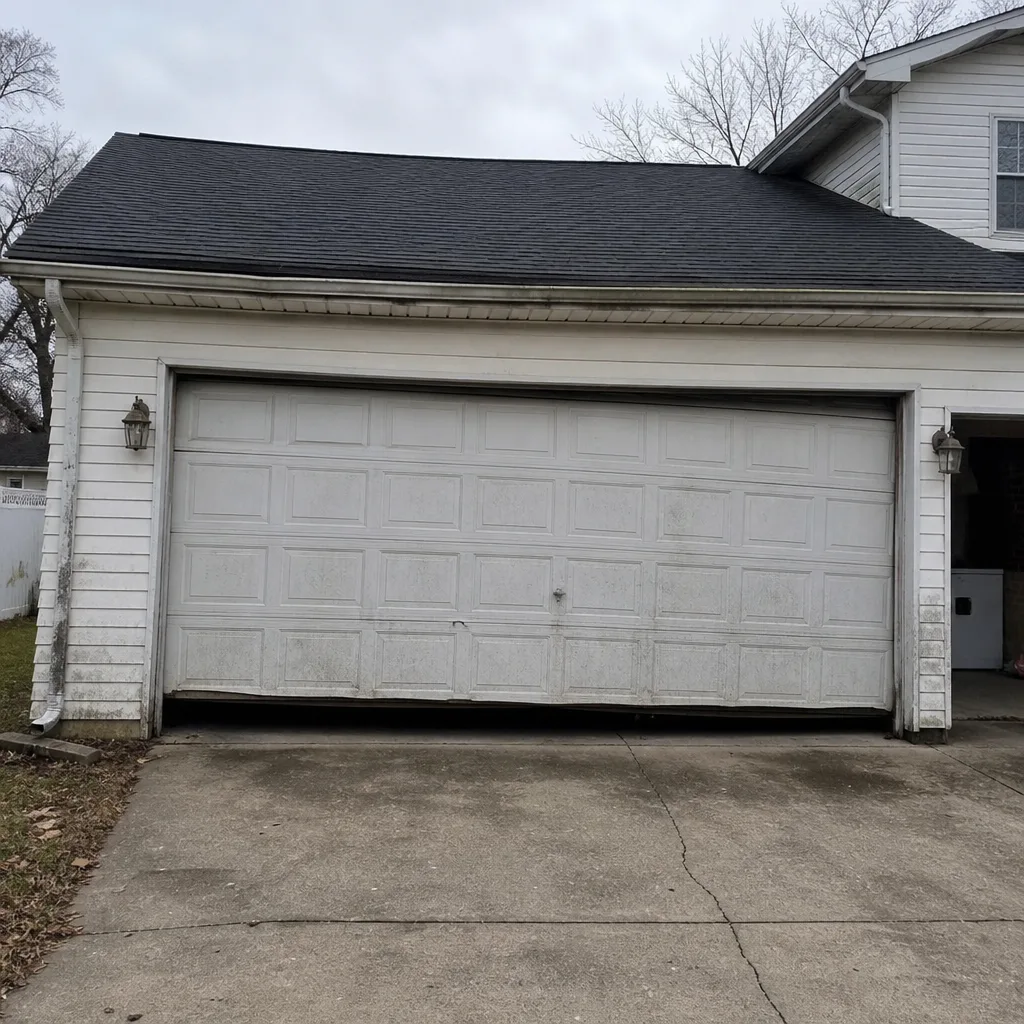 Before
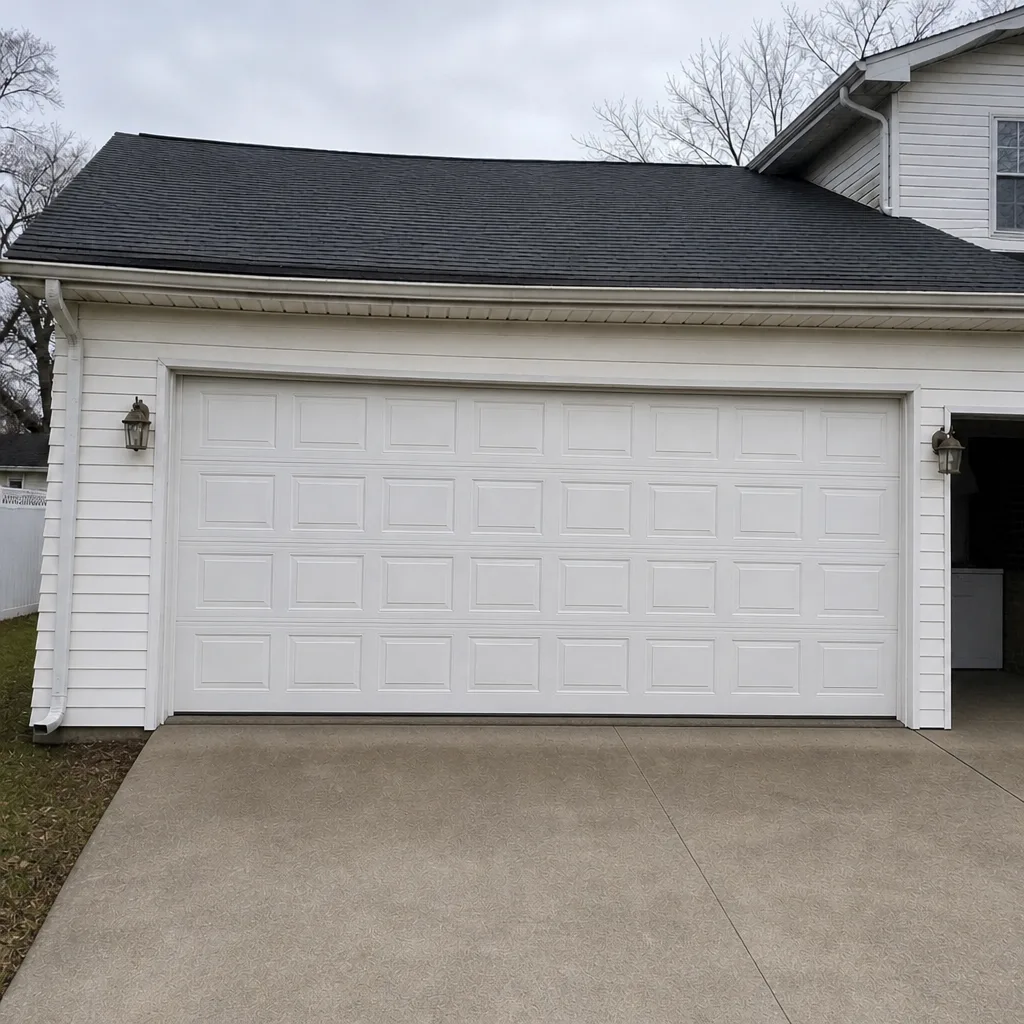 After
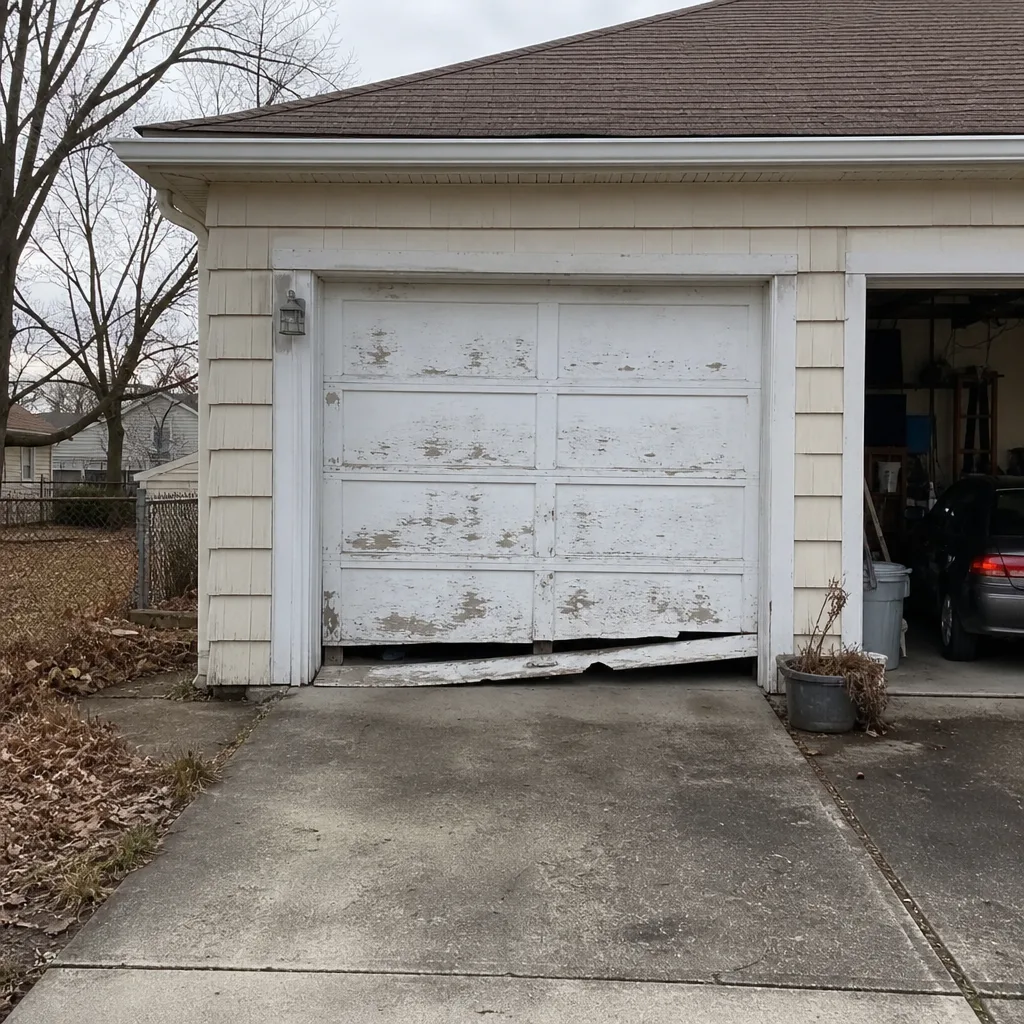 Before
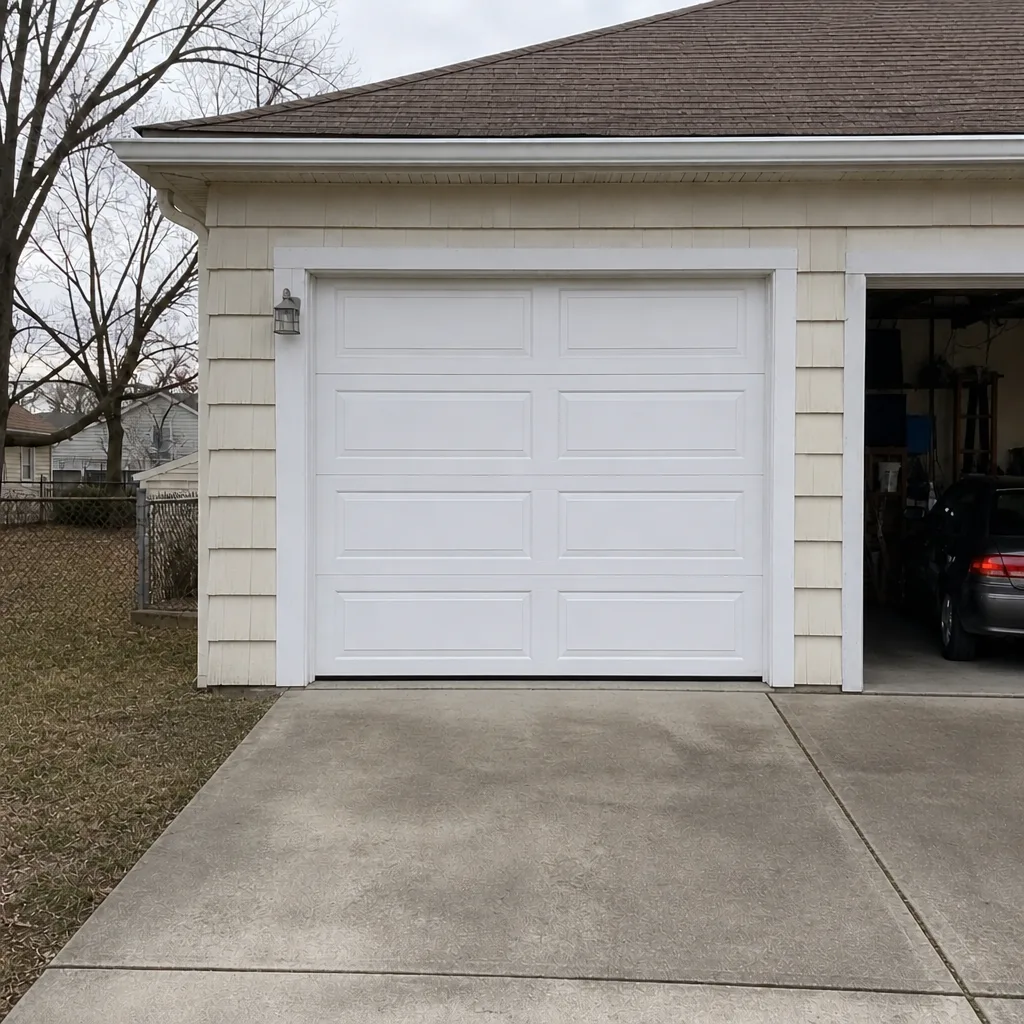 After
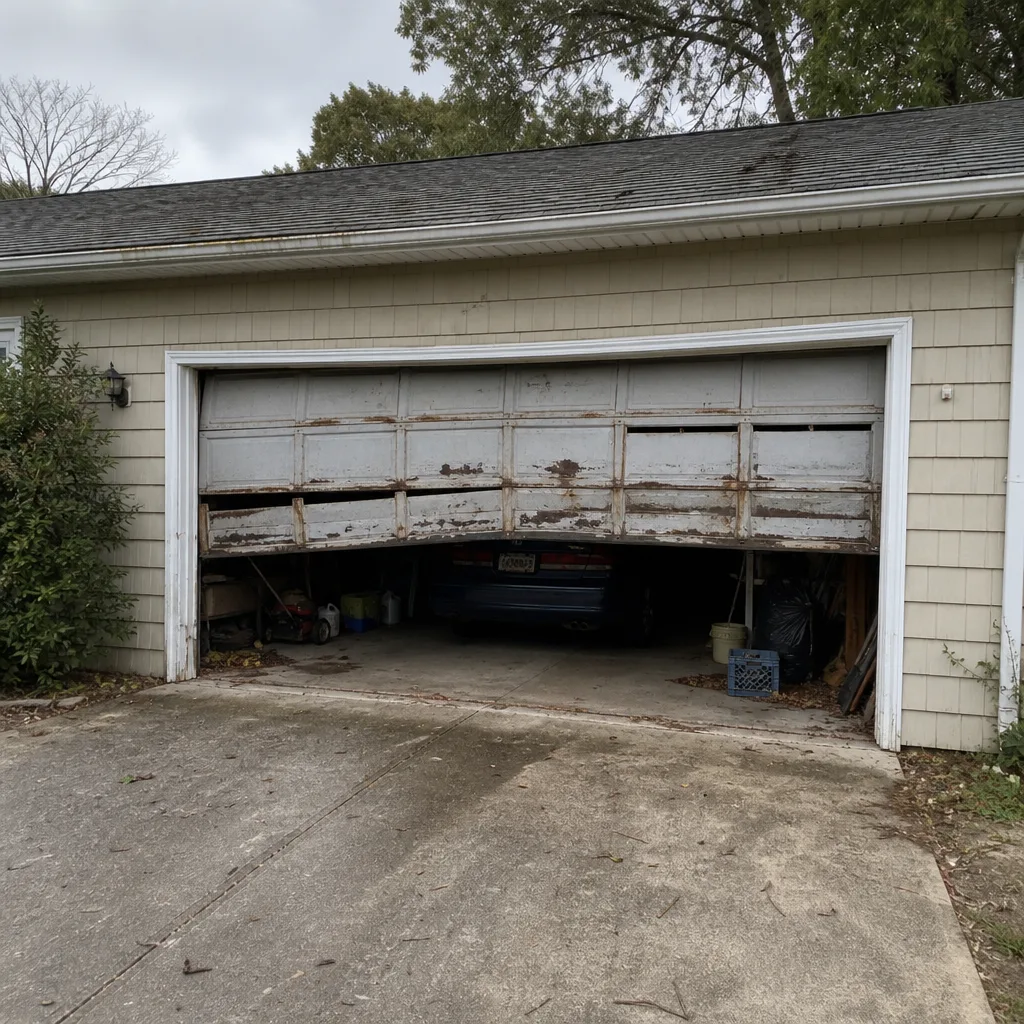 Before
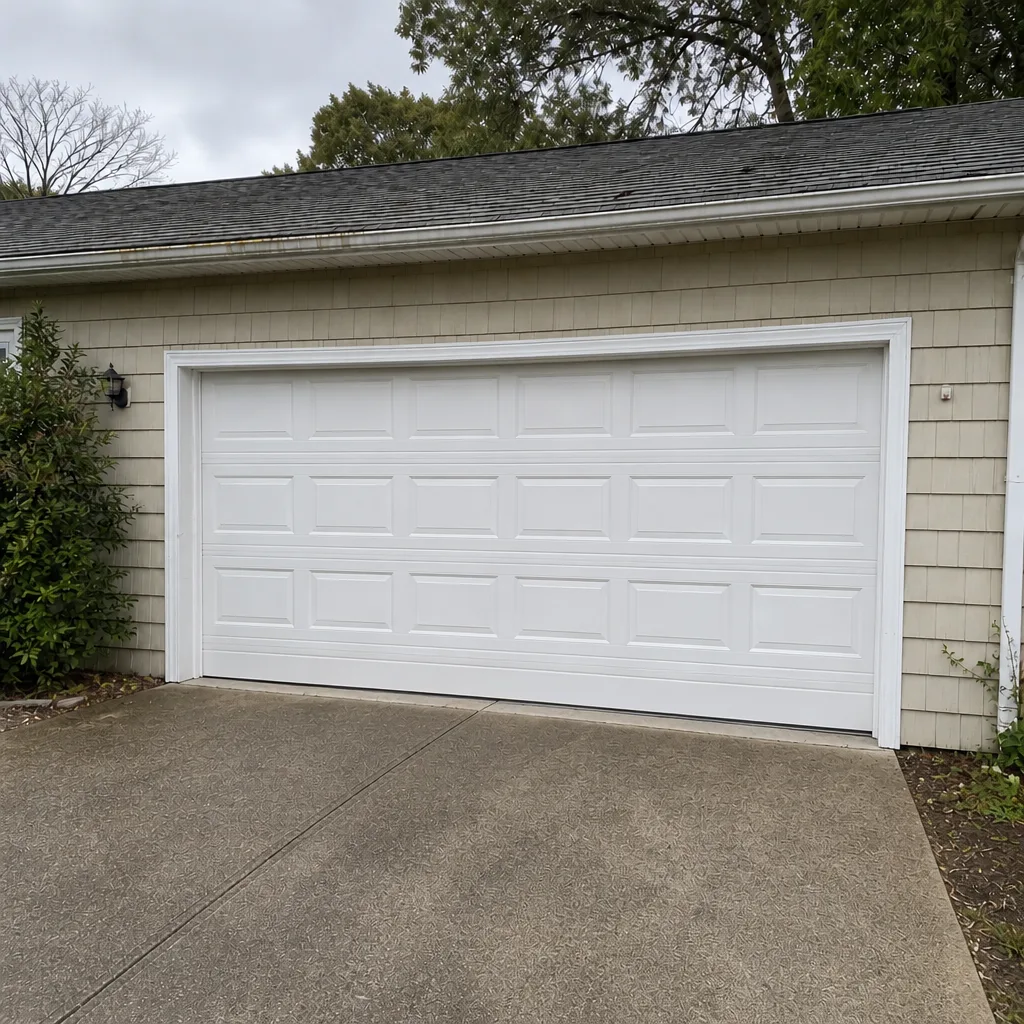 After
Frequently Asked Questions
No. Torsion and extension springs are wound under hundreds of pounds of tension, and the tools and technique required to release and re-wind them safely aren’t anything a homeowner should attempt, even with a good video and the right hardware. Call (855) 337-1178 for a free estimate on spring work; estimates are free and the price is set before any work starts.
Yes. Lubricating hinges, rollers, and the spring coils with a garage-door-specific lubricant is one of the safest DIY tasks on the whole system, and it’s the single best thing you can do to prevent premature wear. Do it in early autumn in Brentwood so the door is protected before the first freeze; if you’d rather have a technician handle it along with a full inspection, call (855) 337-1178.
Check the opener’s travel limits and the door’s balance. If the door lifts manually with even effort and stays put at waist height, the door itself is fine and the issue is in the opener settings. If the door drops or resists lifting, the springs or cables are the problem and the opener is a symptom. Either way, call (855) 337-1178 for a free estimate; the diagnosis is free and the estimate comes in writing.
No. The price is per job by written estimate, and a technician who knows what you already attempted gets to the diagnosis faster. What you tell us saves diagnostic time; it doesn’t add cost. Call (855) 337-1178 for an exact quote on your Brentwood door.
It depends on the job, so the price is quoted per job by written estimate after the technician sees the door. Spring replacement, opener repair, cable work, and track straightening all carry different scope, and the estimate is the number that holds. Call (855) 337-1178 for a free estimate and you’ll have a written price before anything starts.
The local professionals we connect you with are licensed and insured as their state requires, and we only work with technicians whose work meets that standard. They know their way around the major brands, from Amarr and Clopay doors to LiftMaster and Genie openers. Call (855) 337-1178 to book a free estimate.
We work on the brands most Brentwood homes already have: LiftMaster, Chamberlain, Genie, Clopay, Amarr, Wayne Dalton, Craftsman, and Raynor. That covers most garage door systems on the market, so if your door or opener is one of those, you’re not hunting for a specialist. Call (855) 337-1178 to confirm your model and get a free estimate.
The Bottom Line
Garage door DIY makes sense up to a line, and the line isn’t about how handy you are. It’s about stored energy. Lubrication, sensor alignment, remote reprogramming, and visual checks are safe, useful, and worth doing yourself in Brentwood. Springs and cables are not, and no amount of patience or tutorial watching changes the physics. Everything between those two ends of the spectrum is a judgment call: if a task involves adjusting settings on a known opener model and you have the manual, you can probably do it. If it involves components holding tension, that’s a professional job. And when you’re not sure which side a job falls on, that’s the moment to call. If you’ve ruled out the safe tier and want a written estimate on the rest, Brentwood Garage Door Repair Co is here: (855) 337-1178, free estimates, and the price is agreed on before any work starts. For a broader view of what we handle across the full system, see Brentwood Garage Door Repair Co.
Written by the team at Brentwood Garage Door Repair Co.