
Last updated November 22, 2026
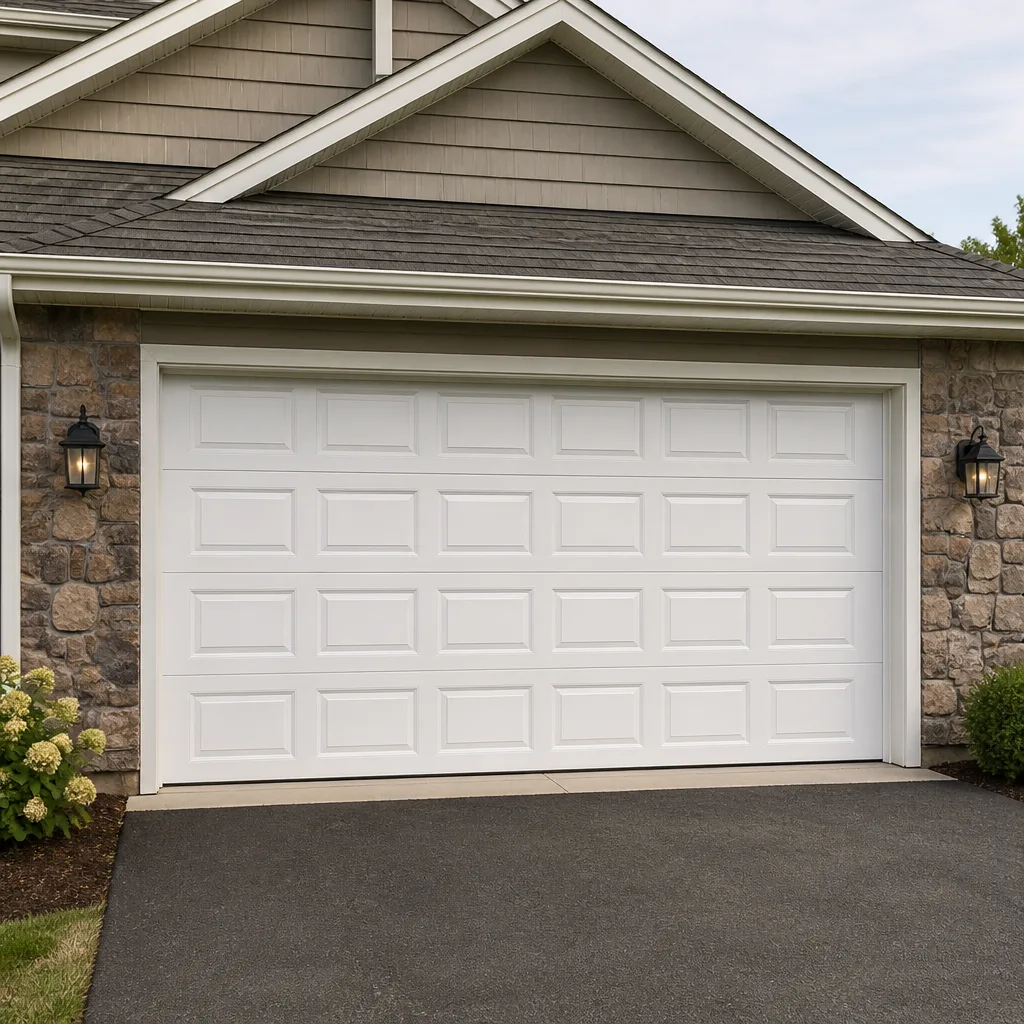 Raised-panel steel
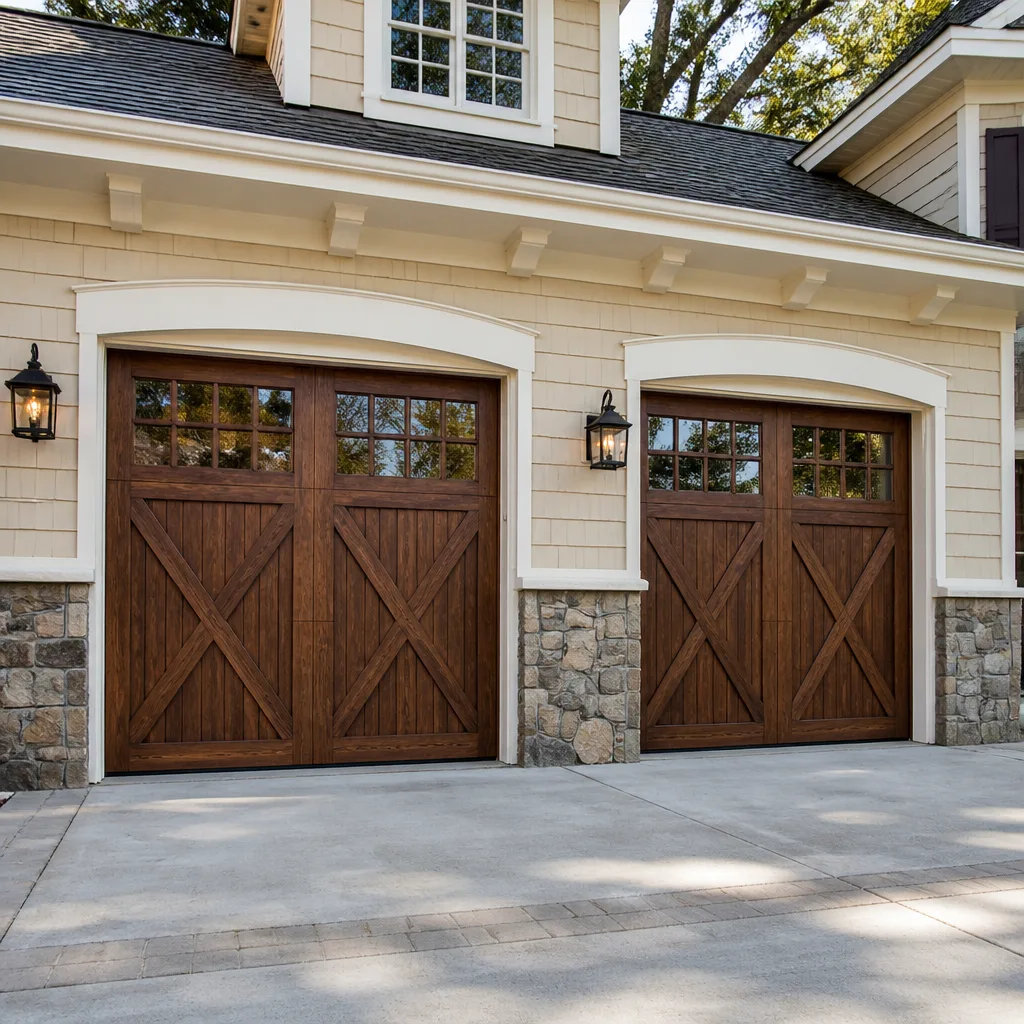 Carriage house
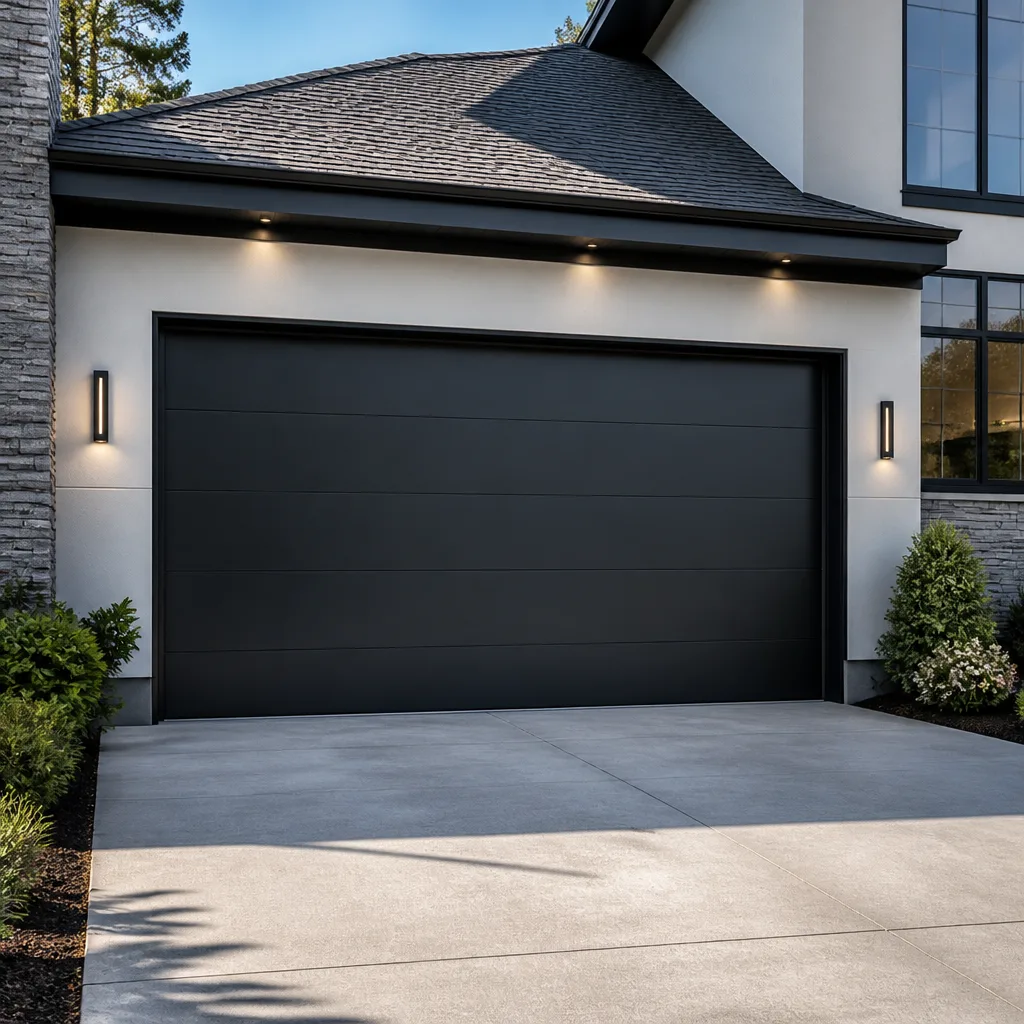 Modern flush
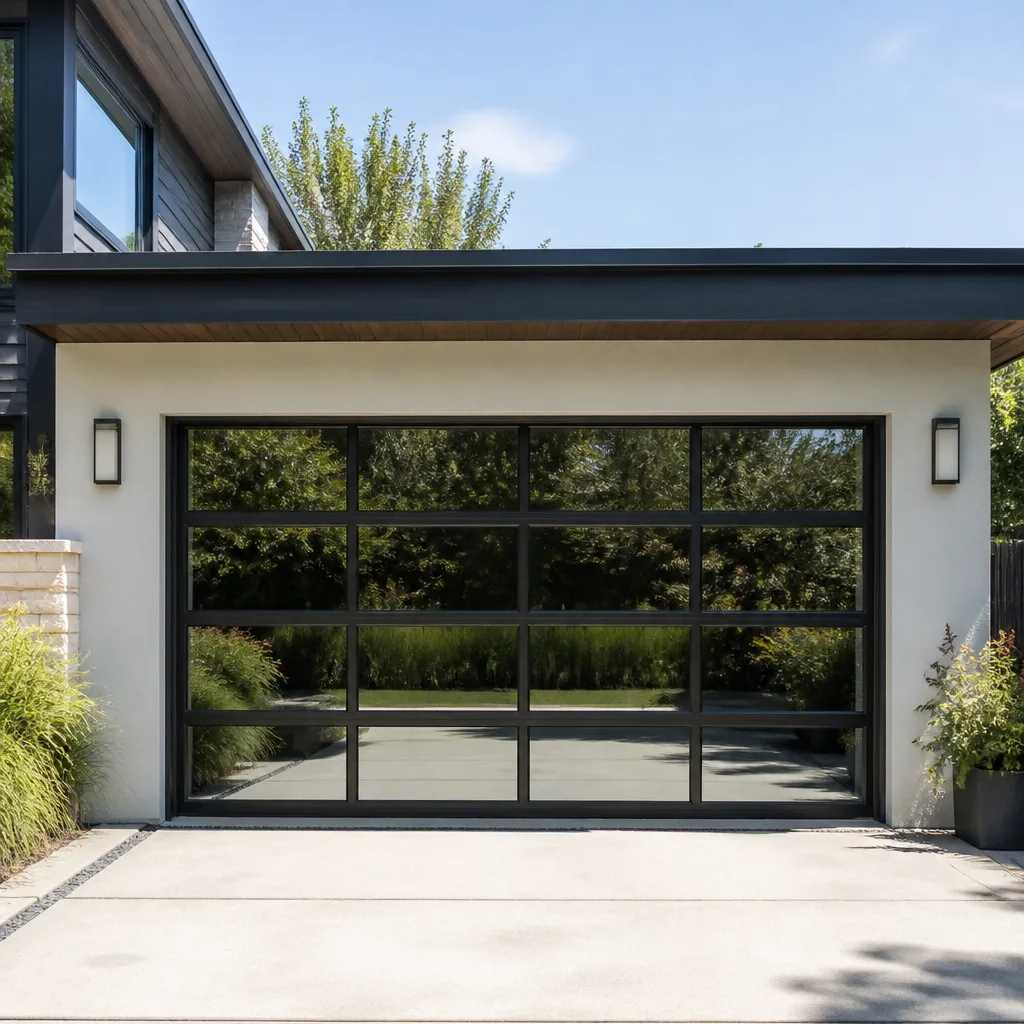 Full-view glass
 LiftMaster openers
 Chamberlain openers
Full 25-point door and opener safety check with every visit - springs, cables, rollers, tracks, and your LiftMaster or Chamberlain opener included
You get a price before we start. It does not change when the pro arrives.
Get your free estimateHow to Hire a Garage Door Contractor in Brentwood: A Step-by-Step Guide
Any handyman can swap a panel. The costly mistake Brentwood homeowners make is hiring someone who confidently misdiagnoses the root cause, and you won’t know it happened until the same problem comes back a few months later. A door that “just needed adjusting” and starts dragging again was probably never the adjustment at all. This guide walks through how to vet a garage door contractor for real system knowledge, not just a license and a friendly phone manner. You’ll learn the questions that expose a generalist, what New York State actually requires, how to read a quote, and how to tell a repair-first specialist from a sales-driven installer before you book anyone in Brentwood.
Quick Answer
Hire a garage door contractor in Brentwood by confirming three things: that they can name and work on your specific brand and opener model, that their quote itemizes parts, labor, and warranty in writing, and that they’ll diagnose the cause rather than pressure you toward a new door on the first visit. Ask what system is on your house and how they’d troubleshoot it. A contractor who answers with specifics is a specialist. One who answers in generalities is guessing.
Styles & brands we work with
- Raised-panel steel
- Carriage house
- Modern flush
- Full-view glass
- LiftMaster openers
- Chamberlain openers
Table of Contents
- Why System Knowledge Matters More Than a License Alone
- What New York State Actually Requires, and How to Verify It
- The Five Questions That Reveal Real Expertise
- Repair-First Specialist vs. Sales-Driven Installer
- How to Get a Quote You Can Actually Compare
- Red Flags in Quotes and Sales Tactics
- What a Proper Service Visit Looks Like
- Brentwood Doors and Long Island Weather
Why System Knowledge Matters More Than a License Alone
A license tells you someone is legally allowed to take the job. It doesn’t tell you whether they’ve ever opened the housing on the opener bolted to your ceiling. Those are two different questions, and the second one is the one that decides whether your door gets fixed or just re-adjusted until it breaks again.
Garage doors aren’t one product. The torsion and extension spring assemblies on a Wayne Dalton door behave differently from the setup on a Clopay, and the opener logic on a LiftMaster isn’t the same as a Craftsman. A technician who works across all of them recognizes a failing component by how it behaves, not by guessing and swapping parts until the symptom disappears. That distinction matters in Brentwood because the housing stock is mixed. Older homes around the Brentwood Long Island Rail Road station and the neighborhoods near Pilgrim Psychiatric Center have doors and openers of very different vintages, sometimes mixed together on the same block. A generalist who only knows one common system will misread the others.
Here’s the practical cost of a wrong diagnosis: you pay for a repair, the symptom goes away for a while, and then it returns because the actual worn part was never addressed. You end up paying twice. Waiting an extra day for someone who knows your system is almost always cheaper than a fast fix from someone who doesn’t.
Our own position is simple: we work on the brand you already have. That’s the whole reason we cover eight major makes, including LiftMaster, Raynor, Wayne Dalton, and Craftsman. It’s not a marketing line. It’s the difference between a technician who recognizes your setup on arrival and one who spends the first half hour learning it.
What New York State Actually Requires, and How to Verify It
New York State does not issue a single statewide garage door contractor license, so the licensing picture depends on where the work happens and how the business is set up. That’s the honest answer, and any contractor who tells you they hold “the New York State garage door license” is either confused or hoping you are. What you can and should verify is that the business is properly registered to operate and that the person doing the work carries the right coverage.
Here’s how to check in about a minute:
- Ask for the business’s legal name and where it’s registered. A legitimate operation answers without hesitation.
- Ask whether the company carries general liability insurance and workers’ compensation coverage, and request a certificate of insurance. This matters because a garage door is a heavy, moving object under real tension.
- If your village or town requires a permit for the work, ask who pulls it. Most municipalities want the contractor to handle this, so ask your city or town building department directly if you’re unsure whether your job needs one.
- Check the business name against your county consumer affairs office and any local registration the municipality requires.
- Confirm the insurance certificate names the correct business and is current, not expired.
None of this is a substitute for asking about experience with your specific door. It’s the floor, not the ceiling. The certificate of insurance and the licensing question protect you from liability if something goes wrong on your property. The system knowledge question protects you from a repair that doesn’t hold. You want both answers before anyone touches the door.
The Five Questions That Reveal Real Expertise
These questions are designed to separate a technician who knows your system from one who is winging it. Ask them on the phone before you book. The answers tell you more than any website copy will.
- “What brand and model is my door, and what opener is on it?” If they can’t tell you how to find that information on your own door, or don’t ask, they’re not planning around your system.
- “What would you check first if the door opens unevenly?” A specialist talks about springs, cables, tracks, and rollers in a logical sequence. A generalist says “we’ll take a look.”
- “Do you repair torsion springs, or do you sub that out?” Spring work is the most hazardous repair in the trade. A company that handles it in-house has the training and the tooling. One that avoids it isn’t a garage door specialist.
- “Will you give me a written itemized quote before any work starts?” The answer should be an immediate yes. The written estimate sets the price, and nothing should begin until you’ve agreed to it.
- “If my opener is a LiftMaster, do you carry the parts, or do I wait on an order?” Brand familiarity shows up in whether they know common failure points and how quickly they can source parts.
You don’t need all five answered perfectly to hire someone. But if two or three come back vague, that’s your signal. A confident specialist welcomes these questions because they’re easy for a competent technician and hard for a pretender.
Repair-First Specialist vs. Sales-Driven Installer
The single most useful thing you can figure out early is which kind of company you’re talking to. A repair-first specialist wants to fix what’s on your house. A sales-driven installer wants to sell you a new door. Both are legitimate businesses, but only one of them is set up to solve a broken spring on a Tuesday.
Here’s how to tell them apart before you commit:
- What they lead with. A repair-first company asks what’s wrong with the door. A sales-first company asks how old it is and steers toward replacement.
- Whether they’ll diagnose. Real repair outfits troubleshoot the cause. If the first response to a stuck door is “you probably need a new one,” slow down.
- Whether they show you options. A repair-first specialist will tell you honestly when a repair is the right call and when a door has genuinely reached end of life. They’ll give you the repair number first.
- What happens after the repair. A specialist can grow with you. If a door finally does need replacing, they install new doors too, so you’re not handed off to a different company.
This is why we describe ourselves as repair-first. We install new garage doors and we’re glad to, but the reason most people call us is that something is broken and they want it fixed. A repair call that becomes a replacement conversation should happen because the door needs it, not because the visit was a sales appointment in disguise.
How to Get a Quote You Can Actually Compare
Two quotes are only comparable if they break down the same way. A single number that says “$X for parts and labor” tells you almost nothing and makes it impossible to tell whether you’re looking at the same job twice. Ask every contractor for the same itemized structure so you’re comparing apples to apples.
A quote you can compare should itemize:
- The diagnosis. What’s actually failing, in plain language.
- Parts. Each part named, with its cost. Note whether a spring quote is for one spring or a matched pair, because a pair costs roughly twice a single spring and good contractors replace both together.
- Labor. Broken out separately from parts.
- Total. The number you’ll actually pay, stated clearly.
- Warranty terms. What’s covered, for how long, and on which parts.
Two things matter beyond the itemization. First, the price should be quoted and agreed before any work starts, so there are no surprises on the invoice. Second, ask whether the quote is an estimate or a fixed price. A written estimate sets the number. If a contractor won’t put it in writing, that’s the answer to whether you should hire them.
For a typical garage door repair, the itemized approach protects you from a quote that quietly bundles a new opener you didn’t need or a door adjustment you didn’t ask for. It also makes it easy to compare a spring job against a spring job when two contractors quote the same failure. If you’re weighing a specific repair, our garage door spring repair page walks through how that work is scoped and priced in Brentwood.
Red Flags in Quotes and Sales Tactics
Most bad hires announce themselves before the technician arrives. The problems show up in the quote, the phone conversation, or the way the job is presented. Here’s what to listen for.
“Parts and labor” with no breakdown
A lump-sum quote hides what you’re paying for. It makes it impossible to verify whether the part is a quality replacement or a stopgap, and impossible to compare against another quote. Ask for the breakdown, always.
Missing warranty terms
If no one mentions warranty, ask directly: what’s covered, on which parts, and for how long. Warranties on garage door and opener work vary widely, and the answer is part of the value. A contractor who can’t describe their warranty in plain terms probably doesn’t have a clear one.
Pressure to decide today
Real repair work doesn’t require a same-day decision unless the door is genuinely unsafe or won’t secure your home. High-pressure deadlines are a sales tactic, not a safety concern. A specialist will tell you what’s urgent and what can wait.
A new door recommended before anyone looks at the old one
Diagnosis should come before the recommendation. If the estimate for a replacement arrives before anyone has inspected the door and opener, the “estimate” is a pitch.
No questions about your system
A contractor who doesn’t ask what brand or model you have, or what the door is doing, isn’t planning to diagnose. They’re planning to upsell.
What a Proper Service Visit Looks Like
Knowing the shape of a good visit helps you spot a bad one while it’s happening. A competent garage door service call follows a predictable arc, and any deviation is worth questioning.
It usually goes like this:
- They ask what’s happening before they touch anything. When does it stick, when does it drag, what does the opener do when you press the button.
- They inspect the system, not just the symptom. Springs, cables, tracks, rollers, hinges, and the opener unit all get checked, because the visible problem often isn’t the cause.
- They explain what they found in plain language. No jargon wall, no scare tactics.
- They give you a written itemized quote before work starts. The price is agreed first, then the work begins.
- They test the door after the repair. A proper visit ends with the door cycling cleanly and the safety reverse checked.
For opener issues specifically, the process is similar but centers on the unit and its safety sensors. If your door won’t respond to the remote or the opener runs but the door doesn’t move, that’s an opener problem rather than a spring problem, and our garage door opener repair page covers how a LiftMaster or Craftsman unit gets diagnosed and what usually fails first. The core principle holds either way: diagnose first, quote second, repair third.
Brentwood Doors and Long Island Weather
Garage doors on Long Island live through real seasonal swings, and those swings accelerate wear on specific components. Summer humidity works on wood and steel alike, and the freeze-thaw cycle that comes with winter puts stress on springs, cables, and the hardware that holds the door together. A door that operated smoothly all summer can start dragging in the cold because the metal contracts and the tolerances tighten.
What this means for hiring: a contractor who works regularly in Brentwood knows the seasonal failure patterns and can tell you whether what you’re seeing is weather-related or an actual mechanical failure. Not every stiff door in January needs a repair. Some need adjustment as the temperature shifts. A specialist distinguishes the two; a generalist replaces parts until the symptom goes away.
It also means the timing of a repair matters. Fixing a failing spring before winter is cheaper and safer than waiting until it breaks at the worst possible moment. When you’re vetting a contractor, ask whether they’ve seen the seasonal patterns on Long Island doors. Their answer tells you whether they’ve actually worked here, which is more useful than any license. If you call Brentwood Garage Door Repair Co, that’s the local knowledge you’re getting: technicians who have seen how these doors age through a Long Island year.
Common Mistakes to Avoid
- Hiring on price alone. The lowest quote is often for a partial diagnosis. A cheap fix that returns in three months costs more than the repair that was priced correctly the first time.
- Letting a sales visit become a purchase. If a company’s first move is a new-door quote before anyone inspects your opener, you’re being sold, not diagnosed. Ask for the repair number first and see what they say.
- Skipping the written quote. A verbaled price is not a price. Ask for the itemized estimate in writing and confirm it before work starts.
- Assuming a license means system expertise. Licensing and brand knowledge are separate. Confirm both.
- Ignoring the opener brand. Your LiftMaster, Craftsman, or Raynor opener has specific failure points. A technician who doesn’t recognize your brand is being paid to learn on your door.
- Waiting on a spring that’s already showing wear. A spring that’s stretched, noisy, or visibly failing is a safety concern and a job for a trained professional, never a weekend project. Call someone who handles spring work in-house.
- Booking without confirming the insurance. Ask for the certificate of insurance before the visit. A garage door is heavy and under tension; you want the coverage in place, not assumed.
See the difference
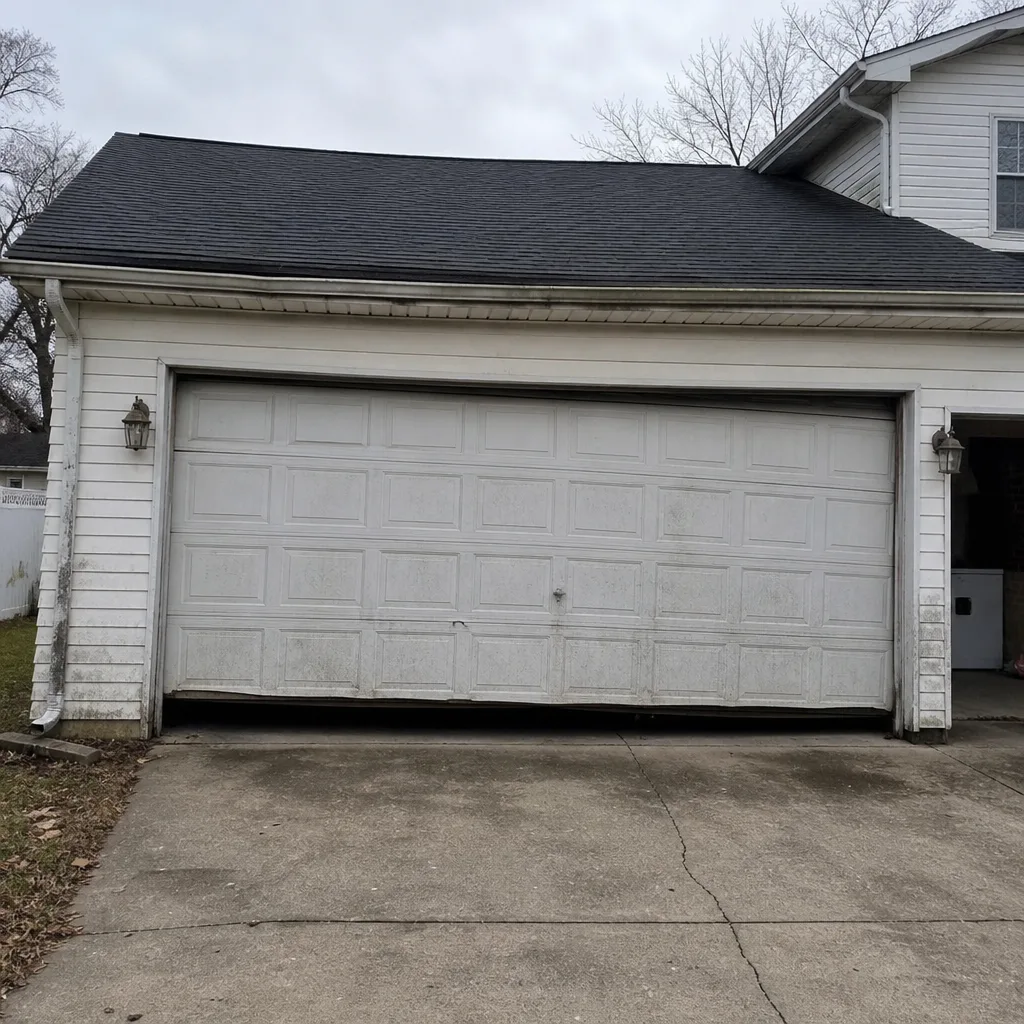 Before
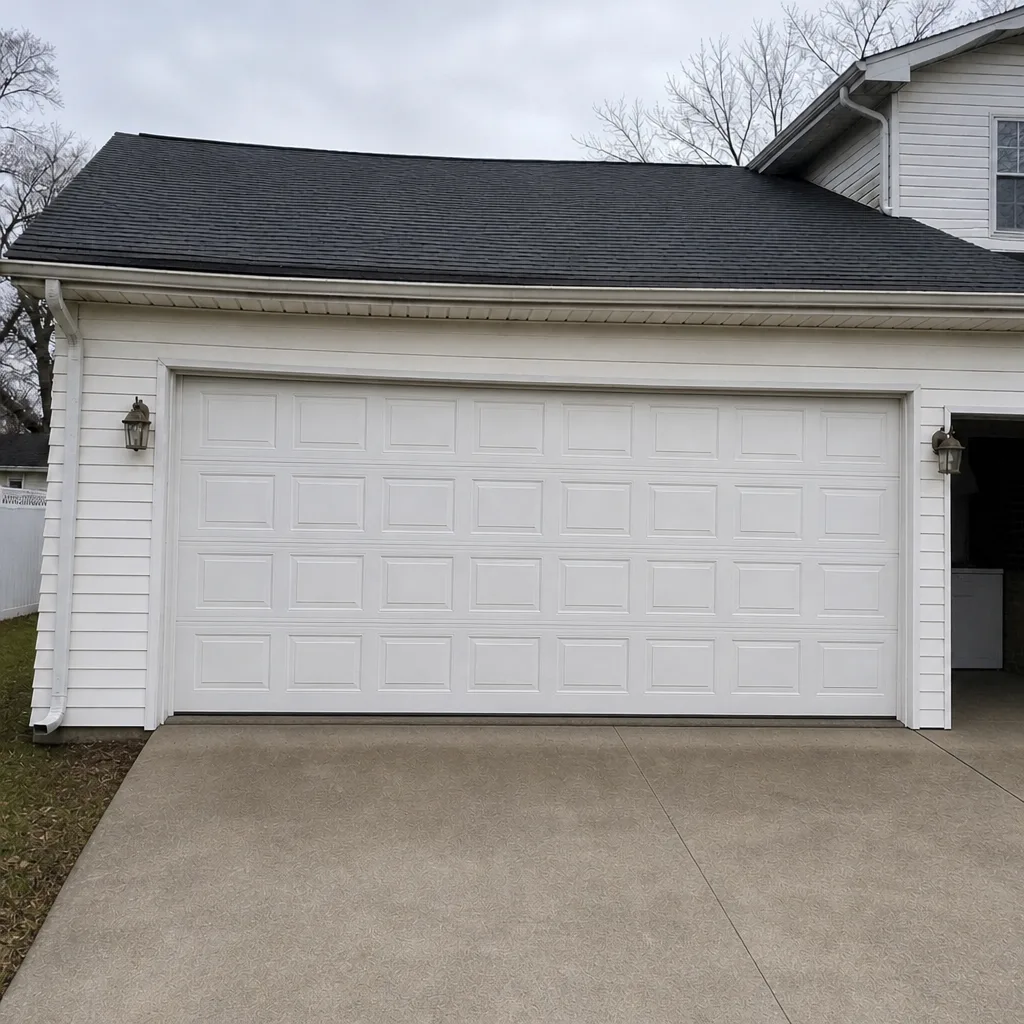 After
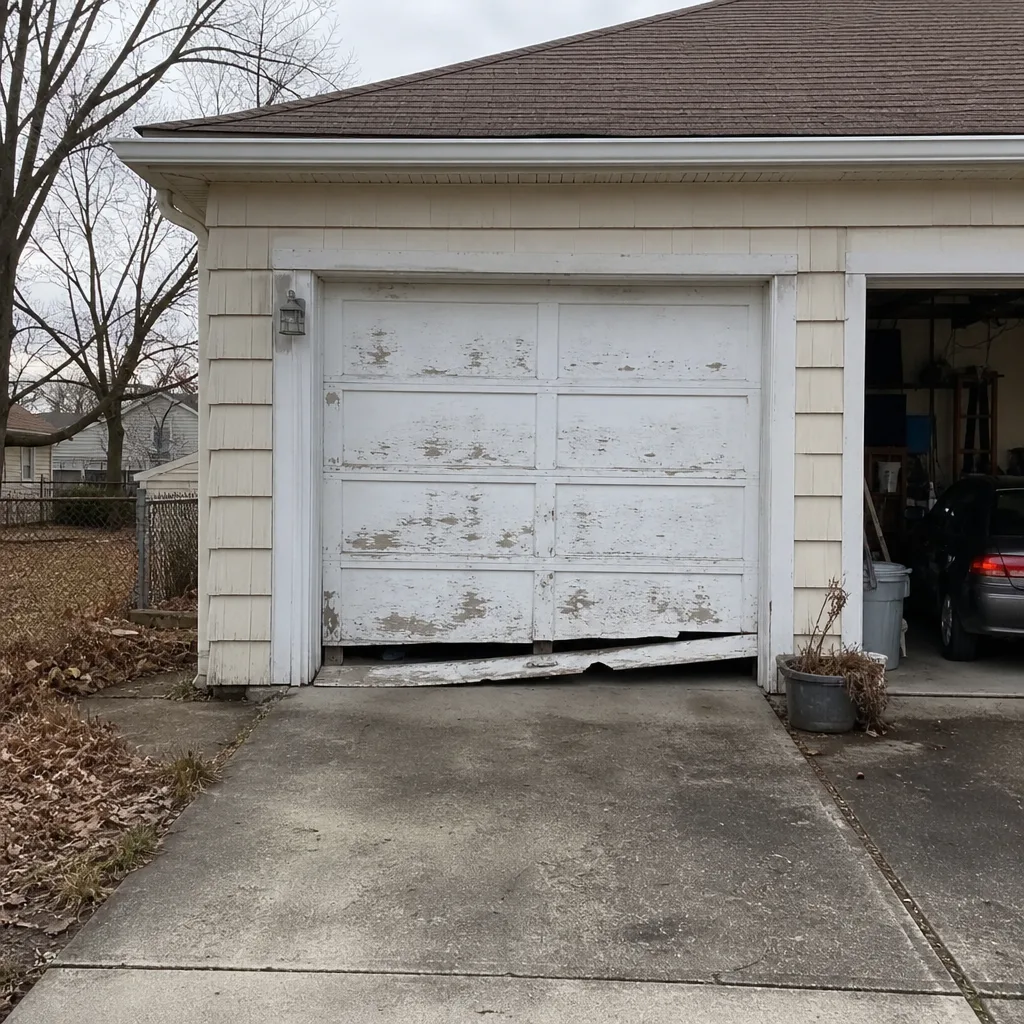 Before
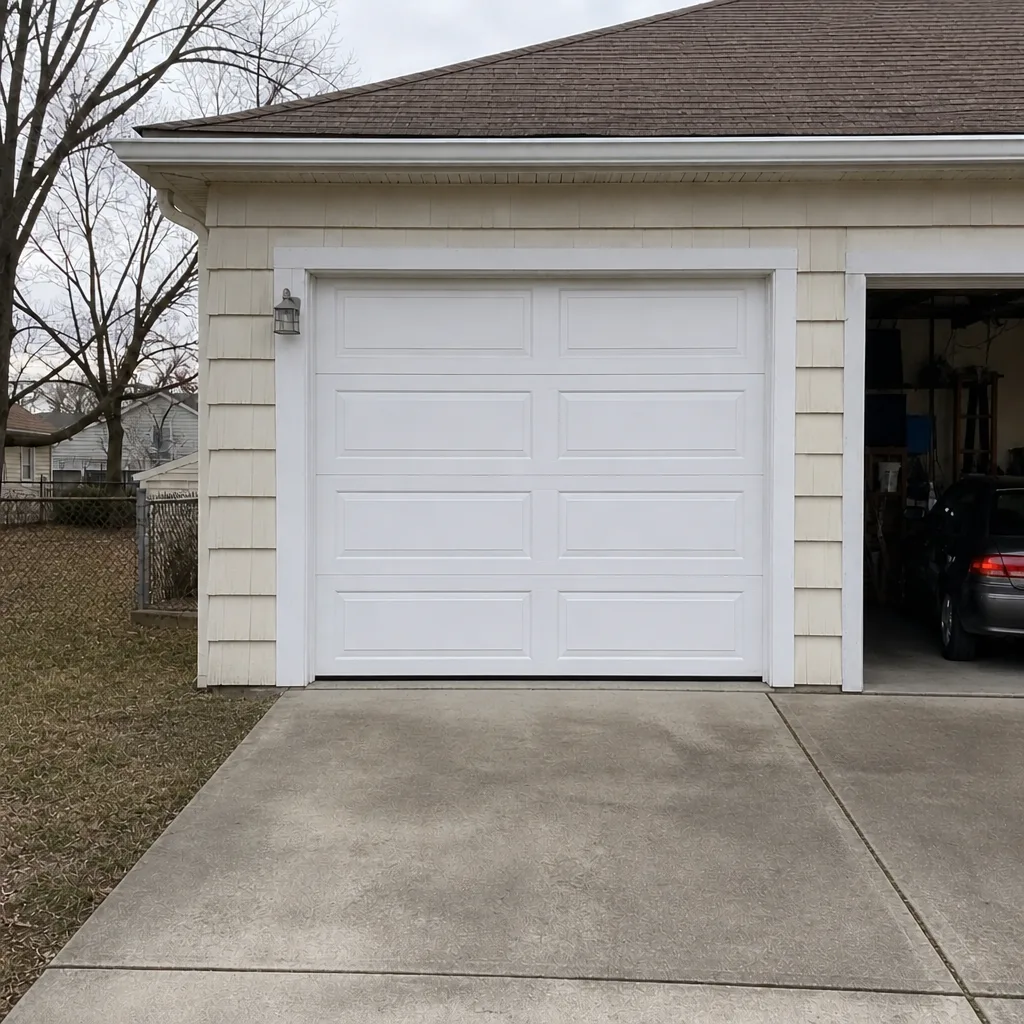 After
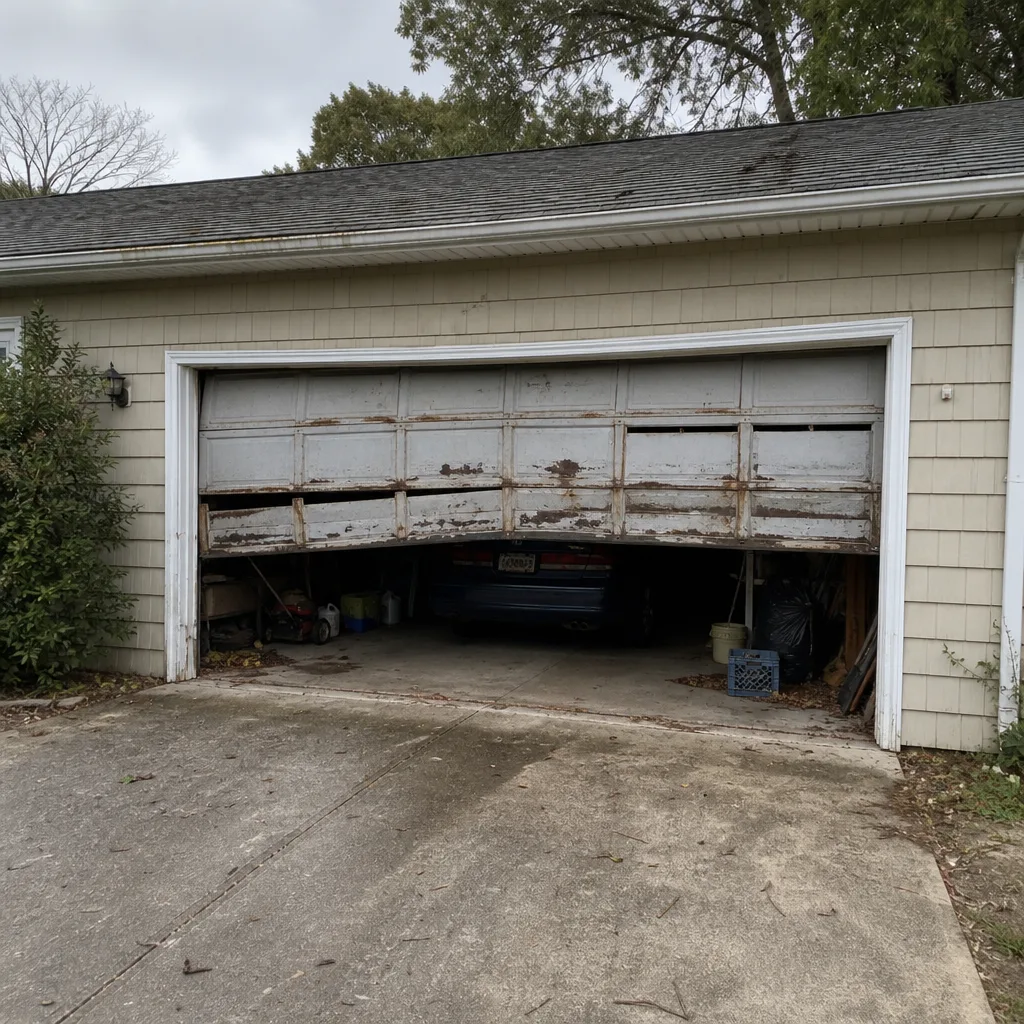 Before
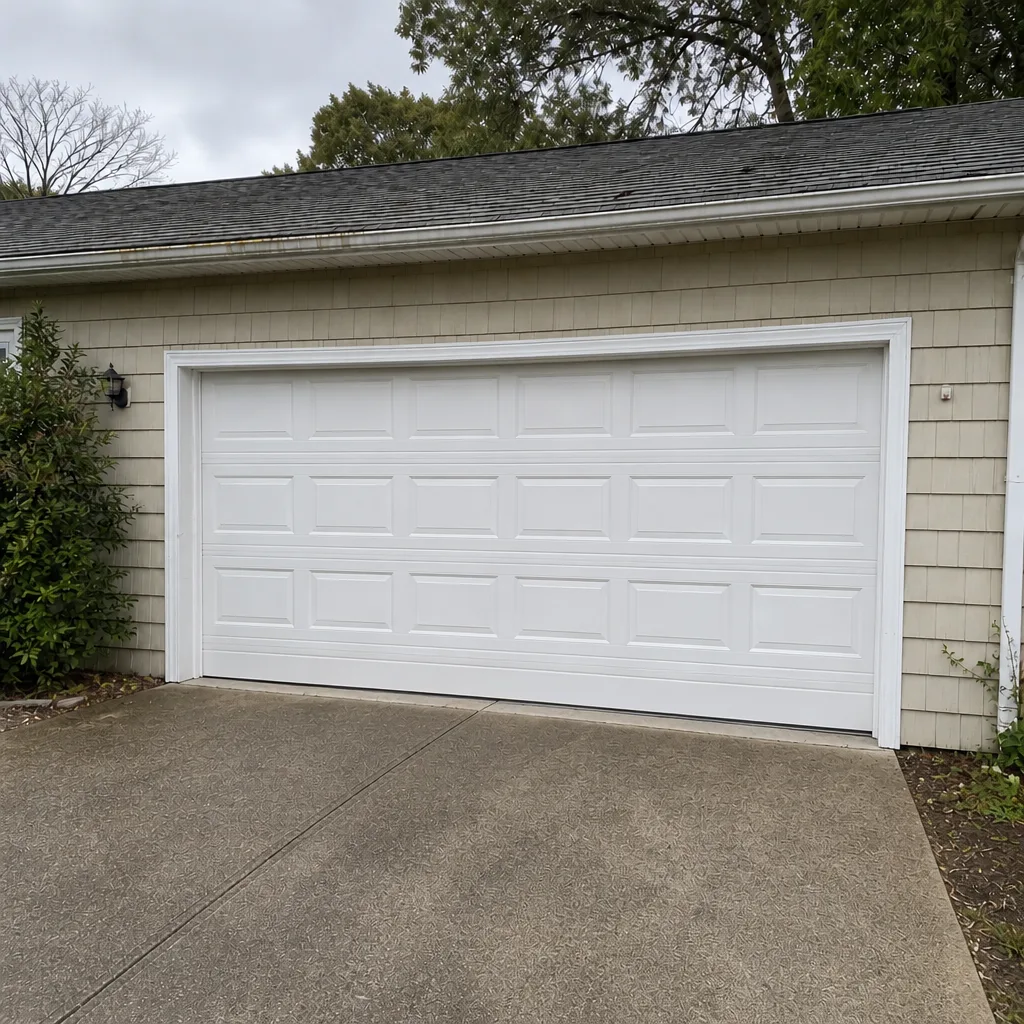 After
When to Call a Professional
Some garage door problems are genuinely urgent, and some can wait for a scheduled visit. The urgent ones involve safety and security. A snapped spring, a cable that’s come off the drum, a door that won’t close and leaves your home open, or an opener that’s moving a door with no obstruction detection needs a trained professional, not a Saturday project. Springs and cables are under high tension and the most hazardous repair in the trade, so this is not a category where do-it-yourself approaches make sense.
The less urgent problems, like a noisy door, a remote that works intermittently, or a door that opens unevenly, still deserve a proper diagnosis before they compound. Brentwood Garage Door Repair Co offers free estimates in Brentwood. Call (855) 337-1178. We answer 24/7. Fast dispatch from 7am to 7pm, Sunday through Friday. The price is quoted and agreed before any work starts, so you know the number before anyone begins.
Frequently Asked Questions
Ask them to name the likely failure points on your specific opener or door system. A technician who knows LiftMaster or Wayne Dalton talks about specific components. One who doesn’t will answer in generalities. At Brentwood Garage Door Repair Co, we work on eight major brands including LiftMaster, Chamberlain, Genie, Clopay, Amarr, Wayne Dalton, Craftsman, and Raynor, so there’s a good chance your system is one we already know. Call (855) 337-1178 for a free estimate and we’ll tell you what we’d check first.
New York State doesn’t issue one statewide garage door contractor license, so requirements depend on your municipality and the business structure. Ask the contractor where they’re registered and whether they carry liability and workers’ compensation insurance, and request a certificate of insurance. Confirm any local registration with your town or county consumer affairs office. The written insurance certificate tells you more in one document than any verbal claim. Call (855) 337-1178 if you want to talk through what your Brentwood job involves.
Garage door repair in Brentwood is priced per job based on what’s actually failing, which is why a written itemized estimate is the only number you should rely on. A single spring quote is priced per spring, and a matched pair usually costs roughly twice that because both are replaced together. Any quote you receive should itemize parts, labor, and warranty before work begins. Call (855) 337-1178 for a free written estimate, and we’ll give you the breakdown before anything starts.
Repair is usually the right call when the door itself is sound and a component like a spring, cable, roller, or opener has failed. Replacement makes sense when the door panel is genuinely compromised or the system has reached end of life. A repair-first contractor will give you the repair number first and only recommend replacement when the door actually needs it. If you’re unsure which category you’re in, call (855) 337-1178 and we’ll tell you honestly what we’d do.
Same-day service is available for many Brentwood garage door calls, and we answer the phone 24/7 with fast dispatch from 7am to 7pm, Sunday through Friday. A call outside dispatch hours is booked into the next opening, Sunday through Friday, 7am to 7pm. If your door won’t close or a spring has broken, treat it as urgent and call rather than waiting. Call (855) 337-1178 and we’ll get you booked.
No. The written estimate is agreed before any work starts, and that agreed price is what you pay for the job described. If, during diagnosis, the technician finds the problem is something different from what was discussed on the phone, you’ll get a revised itemized quote and nothing proceeds until you approve it. No surprises on the invoice. Call (855) 337-1178 for a free estimate and we’ll put the number in writing first.
The Bottom Line
Hiring a garage door contractor in Brentwood comes down to one question: does the person showing up actually know the system on your house? Licensing and insurance matter and you should confirm both, but they only protect you from liability. They don’t protect you from a misdiagnosis that comes back in a few months. Vet for system knowledge by asking the five questions, insist on a written itemized quote, and be wary of anyone who quotes a replacement before inspecting the door. A repair-first specialist will diagnose, explain, and price the work before starting. Brentwood Garage Door Repair Co offers free estimates. Call (855) 337-1178. We answer 24/7. Fast dispatch from 7am to 7pm, Sunday through Friday. Our technicians have up to 11 years of experience, and the price is quoted and agreed before any work starts.
Written by the team at Brentwood Garage Door Repair Co.