
Last updated November 22, 2026
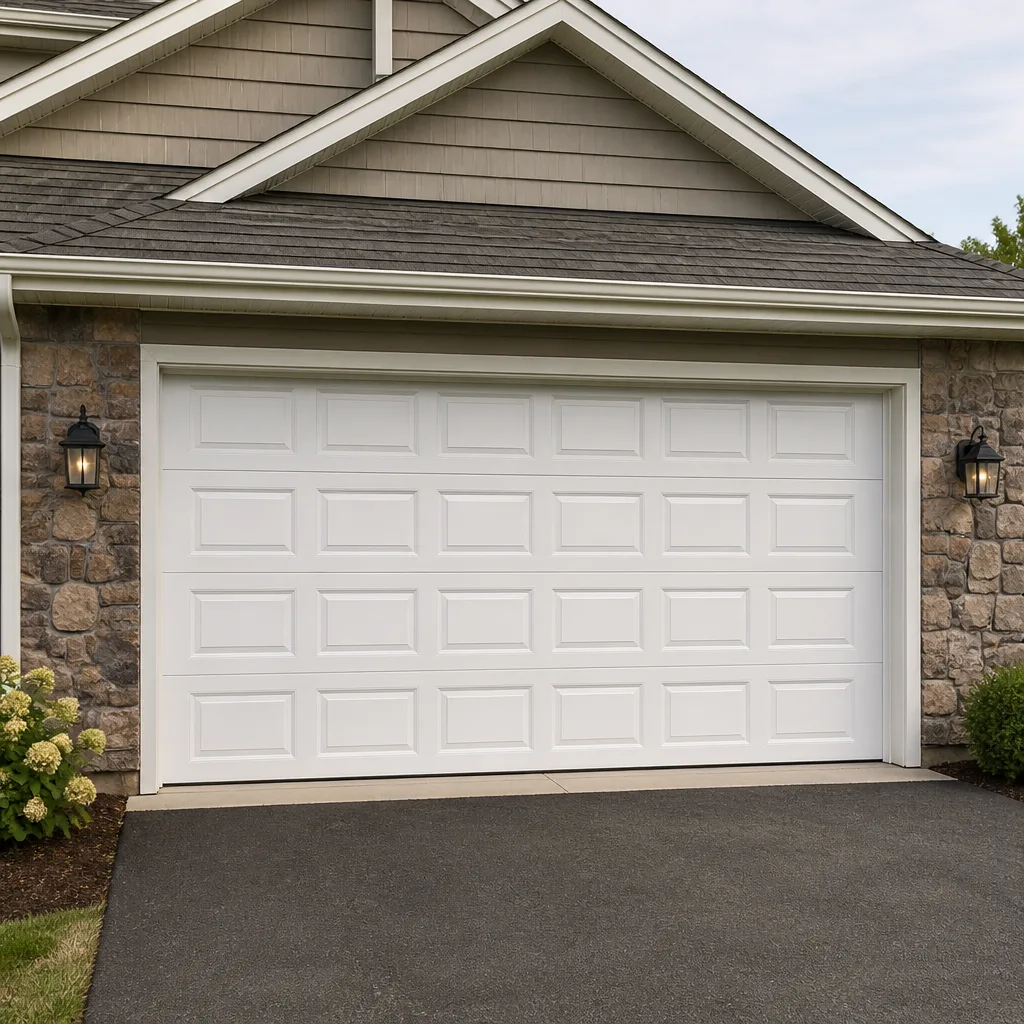 Raised-panel steel
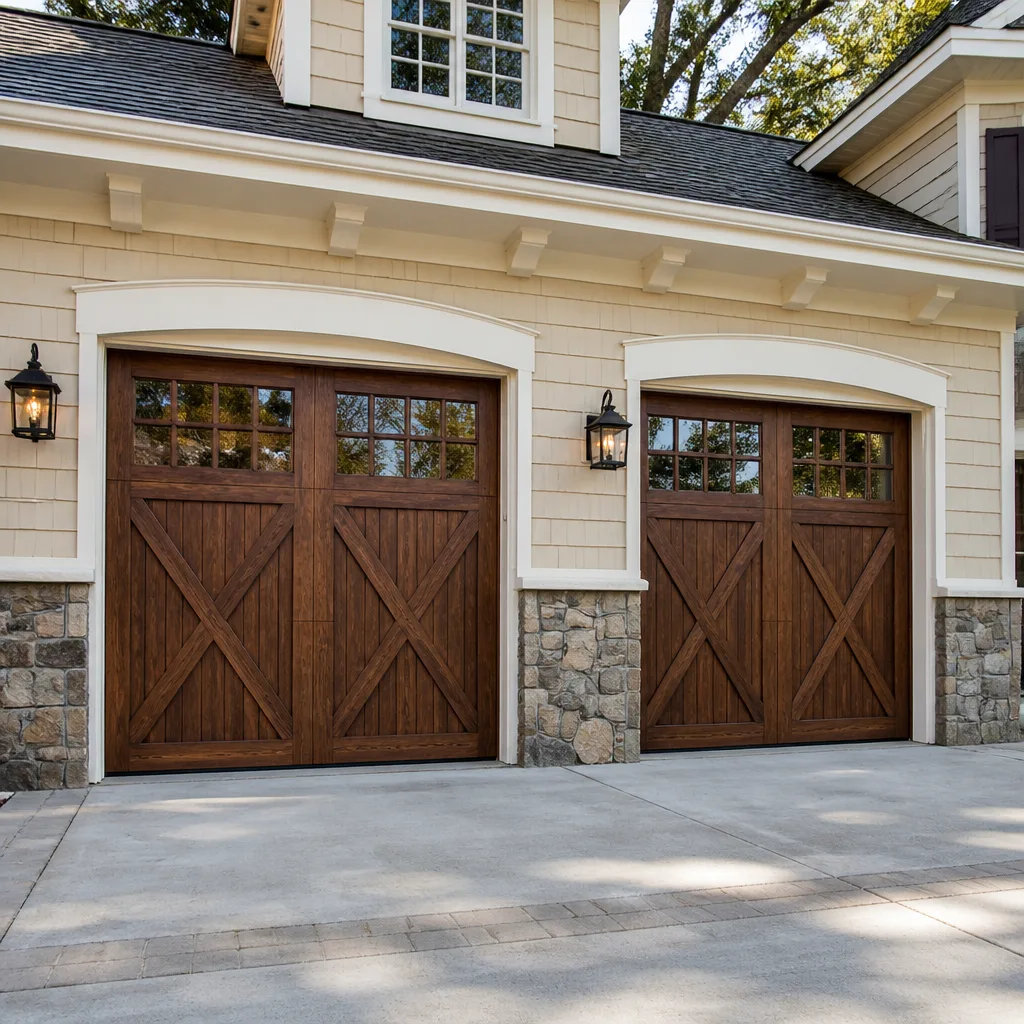 Carriage house
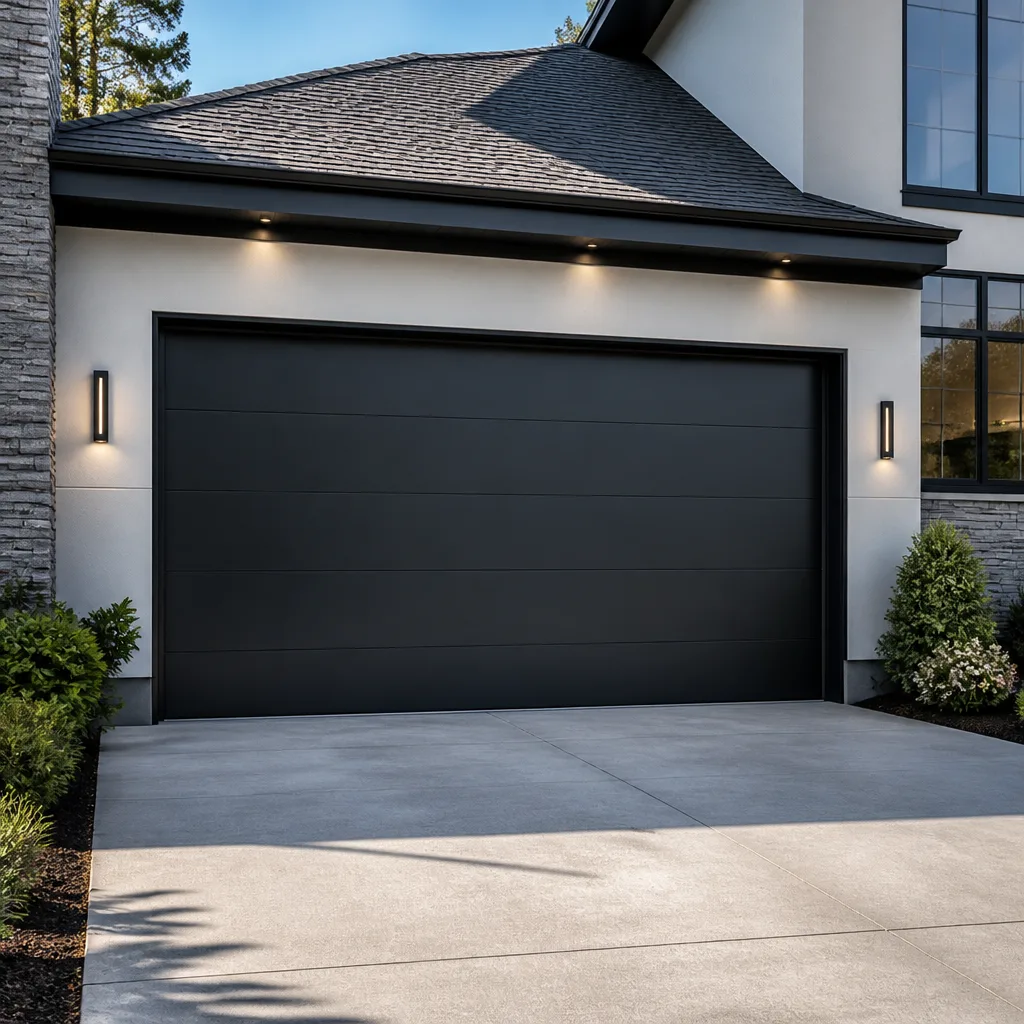 Modern flush
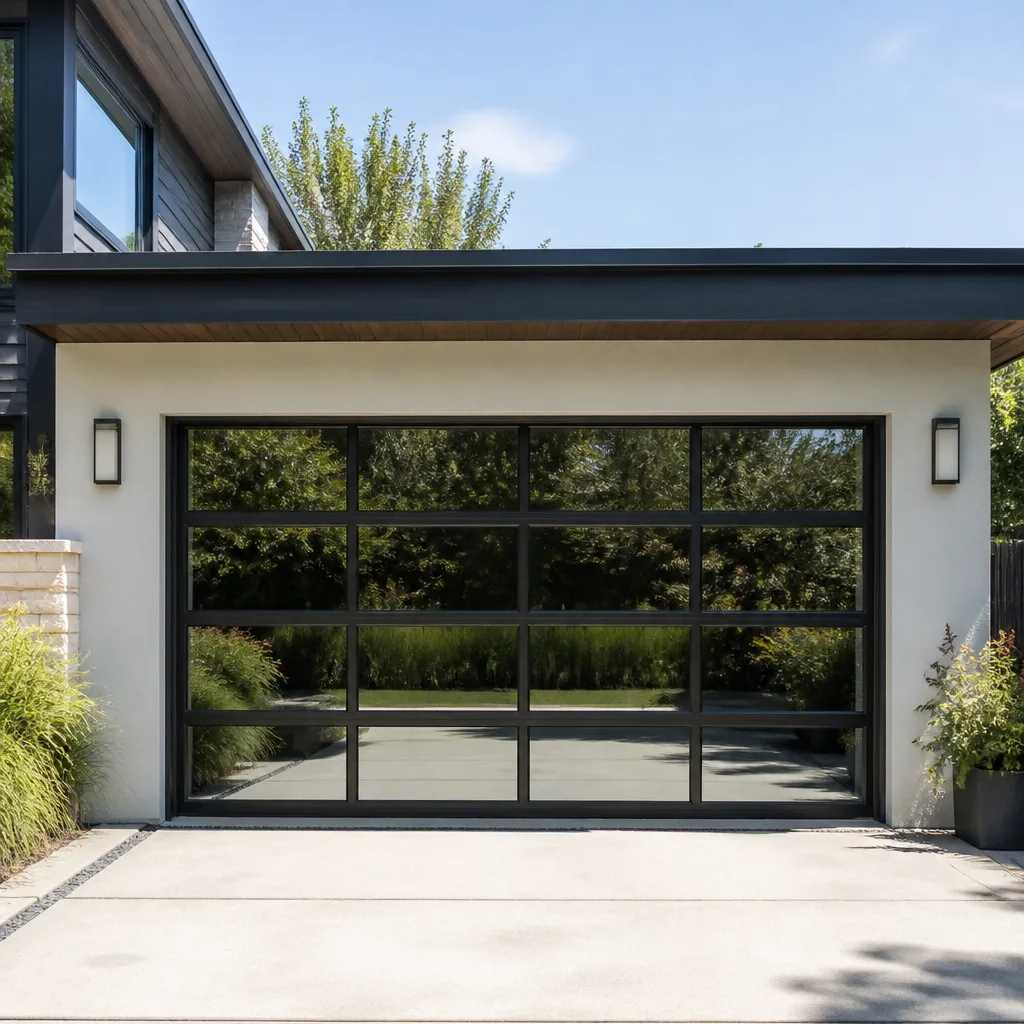 Full-view glass
 LiftMaster openers
 Chamberlain openers
Full 25-point door and opener safety check with every visit - springs, cables, rollers, tracks, and your LiftMaster or Chamberlain opener included
You get a price before we start. It does not change when the pro arrives.
Get your free estimateGarage Door Warning Signs: A Brentwood Homeowner’s Reference Guide
Most garage doors don’t fail without warning. They fail after weeks of small complaints you got used to. The grind that shows up in January, the door that hesitates at the top for a second longer than it used to, the panel that looks slightly off when it’s down – these are the door telling you something is wearing out while the fix is still cheap. By the time the spring snaps or the opener gives up, you’re not scheduling a repair anymore, you’re dealing with a door stuck open at 7 a.m. This guide walks a Brentwood homeowner through the sounds, the visual clues, and the warning signs that mean stop using the door. You’ll learn what each one usually points to, how to describe it clearly when you call, and when it’s safe to wait a few days.
Quick Answer
The four garage door warning signs that matter most are a loud grinding or popping noise during travel, a door that moves unevenly or stops halfway, visible fraying on the cables or a bend in the bottom panels, and a door that reverses before it touches the floor. Any of these can point to a worn spring, a bent track, a failing opener gear, or a misaligned safety sensor. Grinding and popping usually mean a mechanical part is already past its service life, and a door that reverses without obstruction is a safety issue you shouldn’t ignore. If the sign involves the springs or cables, stop using the door and get a technician out.
Styles & brands we work with
- Raised-panel steel
- Carriage house
- Modern flush
- Full-view glass
- LiftMaster openers
- Chamberlain openers
Table of Contents
- What the Sounds Are Telling You
- Visual Warning Signs You Can Spot From the Floor
- Warning Signs That Mean “Schedule It” vs. “Stop Using the Door”
- Warning Signs in Older Openers (Pre-2004 Systems)
- How to Describe the Problem So the Right Parts Show Up
- Why Brand Matters When Something Fails
- Brentwood Seasonal Patterns That Accelerate Wear
- The Weekly Two-Minute Check That Prevents Big Repairs
What the Sounds Are Telling You
A healthy garage door has a low, even hum and a soft roll. Anything sharp, metallic or rhythmic is the door working harder than it should. Sound is the earliest warning sign you get, and it’s free – you just have to listen instead of turning up the radio. Here’s how to map what you’re hearing to the part most likely responsible.
- Grinding: Usually the opener gear, the chain or the rollers. On a chain-drive opener, a dry or worn chain grinds against the rail. Worn steel rollers create a rough, sandpaper-like grind as they roll through the track. If it’s loudest at the start of travel, the opener gear is a likely culprit.
- Popping or a sharp bang: The torsion spring. A spring that pops has usually cracked or is close to it. Do not run the door to test how bad it is – a broken spring sends the door down hard.
- Scraping: The door is rubbing the track, or a panel is bent and dragging. Scraping that gets louder as the door travels farther usually means the door is out of square.
- Clicking: A relay or limit switch inside the opener, a loose roller, or the safety sensor housing getting tapped by the door as it passes.
- Squealing: Bearings, rollers or a dry torsion tube. Often the least urgent sound, but one that shortens the life of the parts around it.
- Rattling that wasn’t there last month: Loose hardware – hinges, brackets, the opener’s mounting bolts. Sometimes it’s a sign the door’s balance has shifted and the opener is compensating.
In our experience, the grinding plus popping combination is the classic pre-failure pattern. The grind is the mechanism struggling, the pop is the spring starting to give. Homeowners in Brentwood often hear both for weeks before the door stops working – and by then the repair is bigger. If you’re hearing anything on this list, garage door repair is worth a call sooner rather than later.
Visual Warning Signs You Can Spot From the Floor
You don’t need to touch anything to find most of these. Stand in front of the door with the opener off, then look again with the door closed. Take a phone photo of anything that looks odd the first time – you’ll want to compare it a week later if you’re deciding whether to schedule a visit.
- Cable fraying. Look at the cables running down each side of the door near the bottom bracket. They should be smooth and evenly wound. Frayed strands, a single kink, or rust spots on the cable mean replace it, not adjust it. Cables are under heavy tension and should not be touched.
- Panel gaps. Look at the seams between panels. If one seam is wider than the rest, or a panel is bowed outward, the door has taken an impact or the hinges are shot. Sunset-facing doors on Long Island tend to show this first on the bottom panel.
- Rust patterns. Rust collects on the bottom of the door and around the hinges. Brentwood winters bring freeze-thaw cycles and road salt tracked into the driveway, and that moisture finds every hinge. Uniform rust is cosmetic; rusty streaks running from a hinge usually mean the hinge is failing.
- Uneven travel. Open the door and watch it. One side should climb at the same rate as the other. If the left corner lags the right by a visible margin, the door is out of balance or a cable is stretched.
- The gap at the floor. With the door fully closed, the bottom seal should sit flush. A gap at one corner points to a bent bottom section or a track that’s been knocked out of alignment.
- Bent track. Crouch down and look along the track from the floor. It should be a straight line. Any kink – often from a car bumper, a lawnmower, or a kid on a bike – is a warning sign that the rollers are riding badly.
Cable fraying and bent track are the two visual warning signs that most often graduate from “call this week” to “stop using the door.” If you see either, don’t push the button again.
Warning Signs That Mean “Schedule It” vs. “Stop Using the Door”
Here’s the split every homeowner needs to know. Some warning signs mean the door still works and you have a few days. Others mean the door is dangerous to run at all. The difference is whether the door’s weight is being held safely and whether the safety reverse is working.
Schedule it this week (door still safe to use)
- A squeal or rattle that’s new but not getting worse
- Rust starting on a hinge
- A slightly slow response from the remote
- A cosmetic bend in a panel that still sits flush with the rest
- An opener light that flickers or dims on its own
- A door that feels heavier than it did six months ago
On that last one – heavier over time is often the first hint of a spring losing tension. It’s cheap to check and worth doing.
Stop using the door until a technician looks
- Any loud pop or bang from the spring area
- A visible gap in a torsion spring, or the spring no longer wrapped around the bar
- A snapped or frayed lift cable
- The door reverses before touching the floor, or won’t reverse at all when you put an object under it
- The door hangs unevenly with one side higher by more than a few inches
- A panel has pulled away from the track or the door is dragging
- The opener runs but the door doesn’t move
Springs and cables are the two parts of a garage door that genuinely hurt people. A torsion spring stores enough energy to break a hand or worse, and the tension is released the moment you touch it wrong. Don’t lubricate, adjust, or “just take a look” at a spring or cable. Call a trained technician. That caution isn’t about us being protective of our work – it’s the actual risk.
Warning Signs in Older Openers (Pre-2004 Systems)
Mechanical wear isn’t the only thing to watch for. If your opener was manufactured before 2004, it predates the current federal requirement that garage door openers include a photoelectric safety reverse. That changes how you should read its behavior.
A pre-2004 opener may reverse only when it hits an object (a pressure-sensitive reverse), not when something crosses its path. That’s a real safety difference, especially in a home with kids or pets. On a system like that, the warning sign isn’t necessarily a sound – it’s the fact that the door doesn’t stop when something is under it.
Here’s a quick check you can do without touching the door’s springs: with the door closed and the opener unplugged, put a box under the door on the driveway, then plug the opener back in and press close. The door should reverse on contact with the box. If it doesn’t reverse cleanly, stop using the door until you get it checked. If it doesn’t reverse at all, unplug the opener until a technician can look at it.
Other signs an older opener is due for service or replacement:
- The safety sensors are missing, or the housing is cracked and the light stays on
- The opener has no sensor at all (pre-1993 openers common in older Brentwood homes)
- The wall control is a single button with no safety features
- The opener’s chain or belt has stretched to the point the door opens slower than it used to
- Repeated limit-switch adjustments – the door keeps stopping at a slightly different point
If you’re not sure of your opener’s age, check the sticker on the back panel or under the light cover. A garage door opener repair technician can confirm whether the unit is safe to keep using or should be replaced. On pre-2004 units, replacement is often the safer path, though it depends on the condition of the rest of the system.
How to Describe the Problem So the Right Parts Show Up
When you call for service, the technician’s truck is stocked based on what you tell them. A clear description saves you a second visit. Here’s how to gather the information before picking up the phone.
- Name the sound and where it comes from. “A grind at the top of the door around the opener” tells us more than “it makes a noise.”
- Describe when it happens. On open? On close? Both? Only when it’s cold? Only after the door has been up for a while?
- Look for the obvious visual signs. Frayed cable, bent track, uneven gap, spring gap, panel gap. Note which side (left or right).
- State the brand and model if you can find it. Look for the name on the opener’s back panel or the door’s bottom bracket. Clopay, Amarr and Wayne Dalton doors have distinct panel and hardware systems, and knowing the brand shortens diagnosis.
- Say what the door does – and doesn’t do. “The opener runs but the door just sits there.” “The door reverses halfway up.” “The door goes up fine but won’t come down.”
- Mention any recent events. A car bump, a storm, a new remote, a power surge, a recent move. Context narrows the list of likely causes fast.
A photo of the door with the opener off, taken from the driveway, is often more useful than a description. Text it or email it if your technician asks for one – it’s the fastest way to know whether we need a garage door spring repair visit or a general tune-up.
Why Brand Matters When Something Fails
Garage doors aren’t one universal product. The parts inside a Clopay door don’t swap with the parts inside an Amarr door, and a Craftsman opener uses different gears, rails and remotes than a similar-aged LiftMaster or Genie unit. When you describe a grinding noise, the technician’s next question is almost always “what brand is the door, and what brand is the opener?”
This is where system-specific knowledge saves you time. We handle equipment from Clopay, Amarr, Wayne Dalton, Craftsman and four other major lines, which means most Brentwood homes already have a system we know inside and out. The practical benefit: we walk in knowing which parts to expect, and if we don’t have them on the first trip we know exactly what to order.
If you don’t know your brands, look here:
- Opener: sticker on the back panel or under the light lens
- Door: the bottom bracket, the inside of a panel, or the strut across the top
- Remote: inside the battery cover, or the shape of the remote itself – Craftsman remotes are distinctive, Wayne Dalton and LiftMaster families each have their own patterns
Brand-fluent service isn’t a luxury. It’s the difference between a repair that lasts and one that needs a callback because a generalist used a universal part that half-fits.
Brentwood Seasonal Patterns That Accelerate Wear
Warning signs show up at different times of year in Brentwood, and that’s mostly about temperature and moisture. A few things we watch specifically:
- Cold snaps in January and February: Springs, torsion bars and cables are more brittle when temperatures drop, and the door’s metal contracts slightly, which stresses hinges and rollers. If you hear a one-time loud pop on the first very cold morning, that’s typically a spring.
- The freeze-thaw months of late winter: Water collects around the bottom seal during the day, then freezes at night. The bottom panel rusts and the seal swells, which puts strain on the door’s balance.
- Spring rain and driveway runoff: Moisture wicks into the bottom hinges and the bottom bracket. That’s where you’ll see rust patterns appear first.
- Summer heat: The garage gets hot, the opener motor works harder, and a pre-2004 unit that’s been limping along all spring often gives up in July.
- Fall leaf and grit buildup: Debris in the track creates scraping and slow travel. A quick visual check on the track twice a year catches it early.
Brentwood garages are typically attached, which means the door separates the garage from the house. A door that fails on a 25-degree morning and gets stuck partway up doesn’t just cost a repair – it exposes the house to the cold. That’s part of why we treat early warning signs seriously here.
The Weekly Two-Minute Check That Prevents Big Repairs
You don’t need tools or training to catch most of these signs before they get expensive. Two minutes, once a week, watching and listening.
- Stand back and watch the door go all the way up and all the way down. Look for hesitation, uneven travel, or a wobble.
- Listen for anything that isn’t a smooth hum. Grinding, scraping, squealing or popping all deserve a note.
- Look at the cables and the bottom bracket. Any fraying, kink or fresh rust streak means call us this week.
- Look at the springs. A gap in the coil or a visibly bent spring is a stop-the-door moment.
- Test the safety reverse. Put a small object (a rolled-up newspaper or a low box) under the door on the driveway and press close. The door should reverse on contact.
- Look along the track from the floor. Any kink or bend in the track is a warning sign.
- Check the weather seal at the bottom. Any daylight visible under it when the door is fully closed means the seal is due.
If you don’t know what you’re looking at, take photos. They cost nothing. If you’ve noticed a sign more than once, that’s already twice too many. Early signs cost less to fix than the failure that follows them.
Common Mistakes to Avoid
- Waiting for the door to fail completely. A grinding noise that’s been there for a month is telling you exactly what’s about to break. Homeowners in Brentwood often wait for the door to stop working before calling, which turns a spring repair into a spring, cable and opener repair.
- Lubricating the springs to “fix” a noise. A torsion spring doesn’t need oil, and the attempt to get at it is one of the most common ways homeowners get hurt. Springs are a stop-and-call-a-technician sign.
- Adjusting the opener’s force setting to hide a heavier door. Turning up the force dial on the opener makes a struggling door open again without fixing why it’s struggling. The door becomes harder on every part and fail faster. Leave the force setting alone.
- Ignoring a door that reverses before it touches the floor. This is often an alignment issue, but it can also be a safety sensor that’s dirty or failing. On pre-2004 openers, it can be a missing safety feature. Never ignore a reverse that happens with nothing under the door.
- Pushing on a bent track to “straighten it.” Tracks bend for a reason – a hit, a loose mount, a failing roller. Straightening it by hand makes the roller ride worse. A bent track needs a technician attention.
- Assuming a grinding noise is a bad opener. Half the time it’s a worn roller or a dry chain, and the opener is fine. On the other half it’s the opener gear. Guessing gets expensive; a quick check is not.
- Mixing brand parts without knowing the fit. Universal aftermarket parts often fit loosely on Clopay, Amarr or Wayne Dalton doors, and a Craftsman opener won’t take the same gear as a LiftMaster. If the part matters, get the right brand part.
See the difference
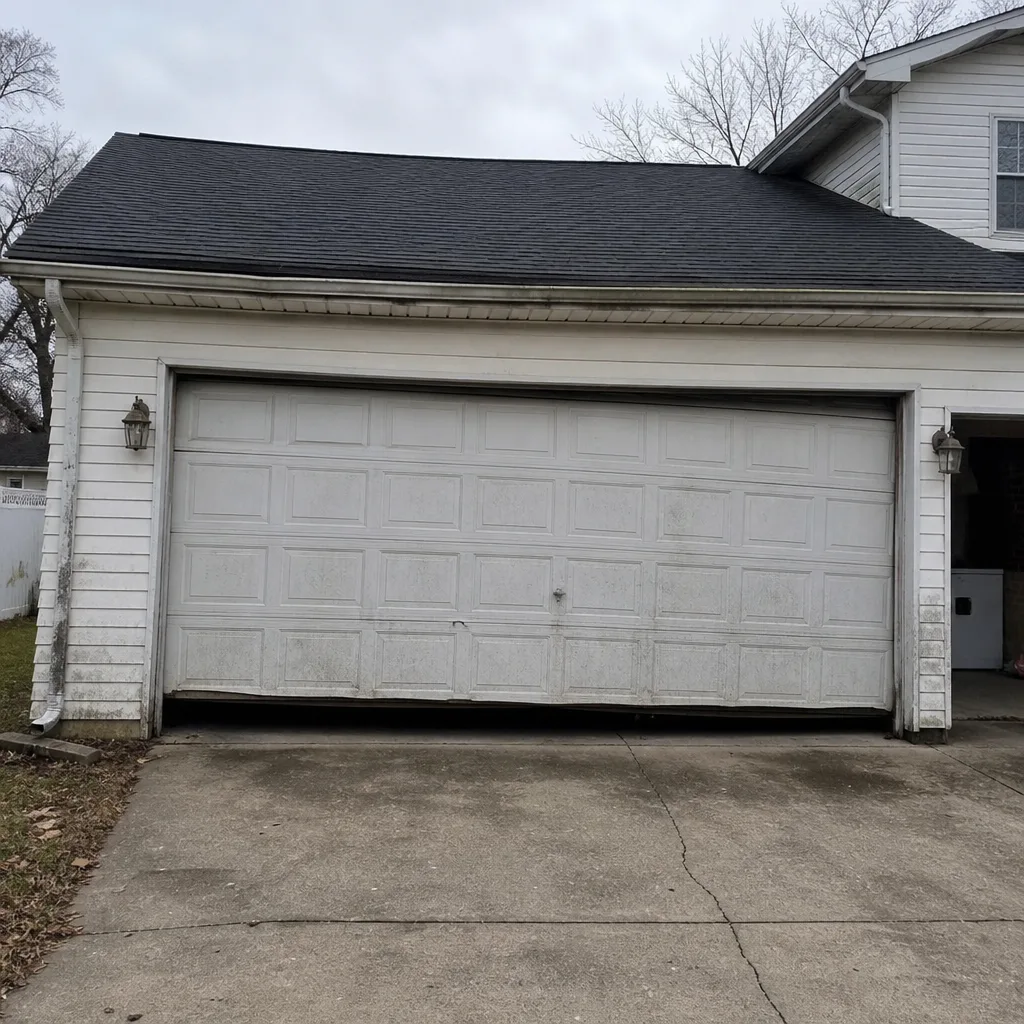 Before
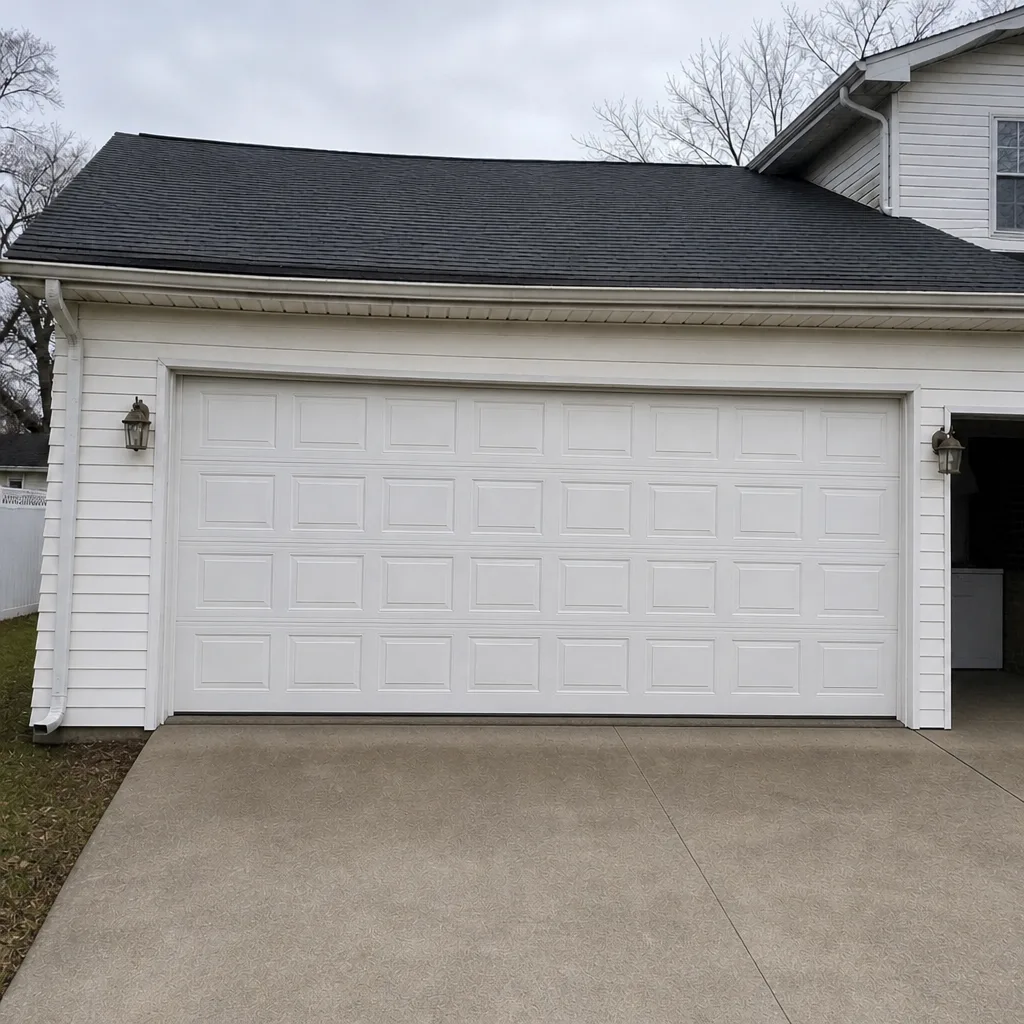 After
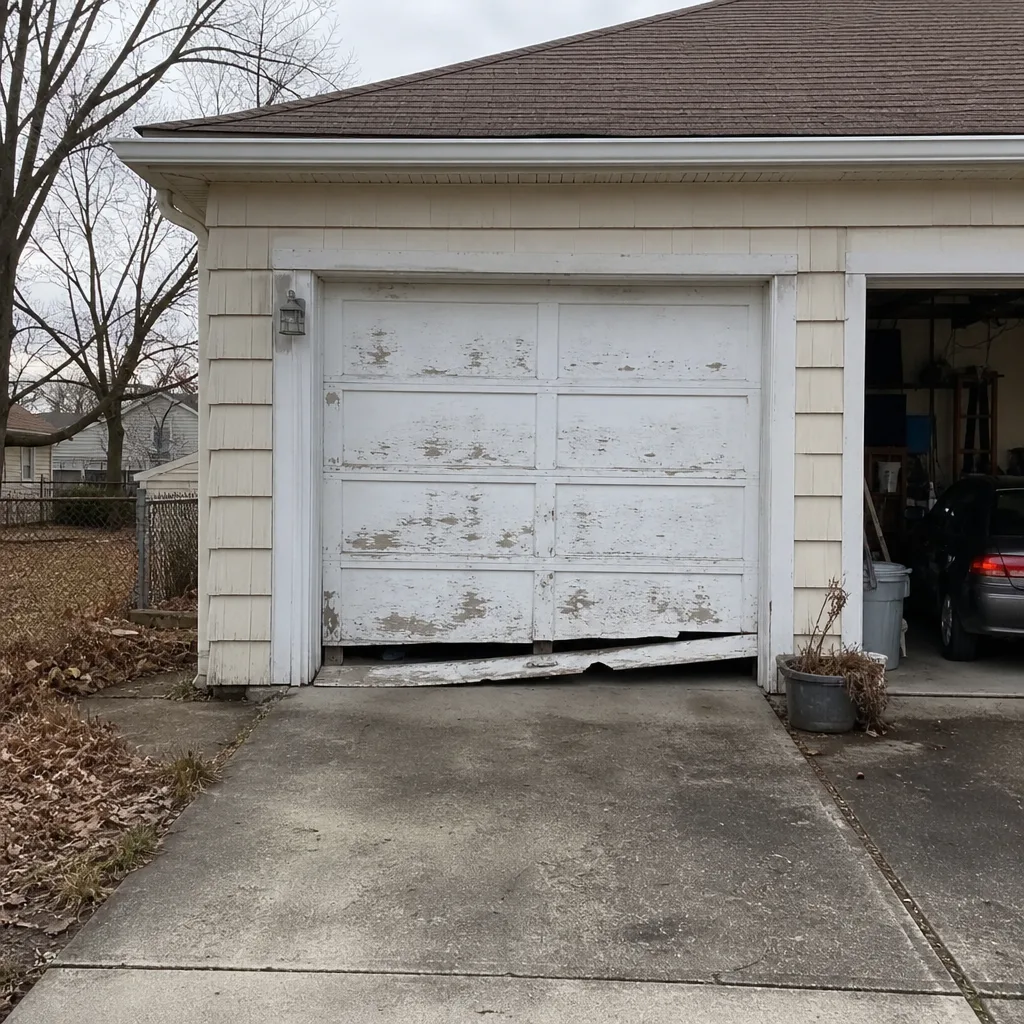 Before
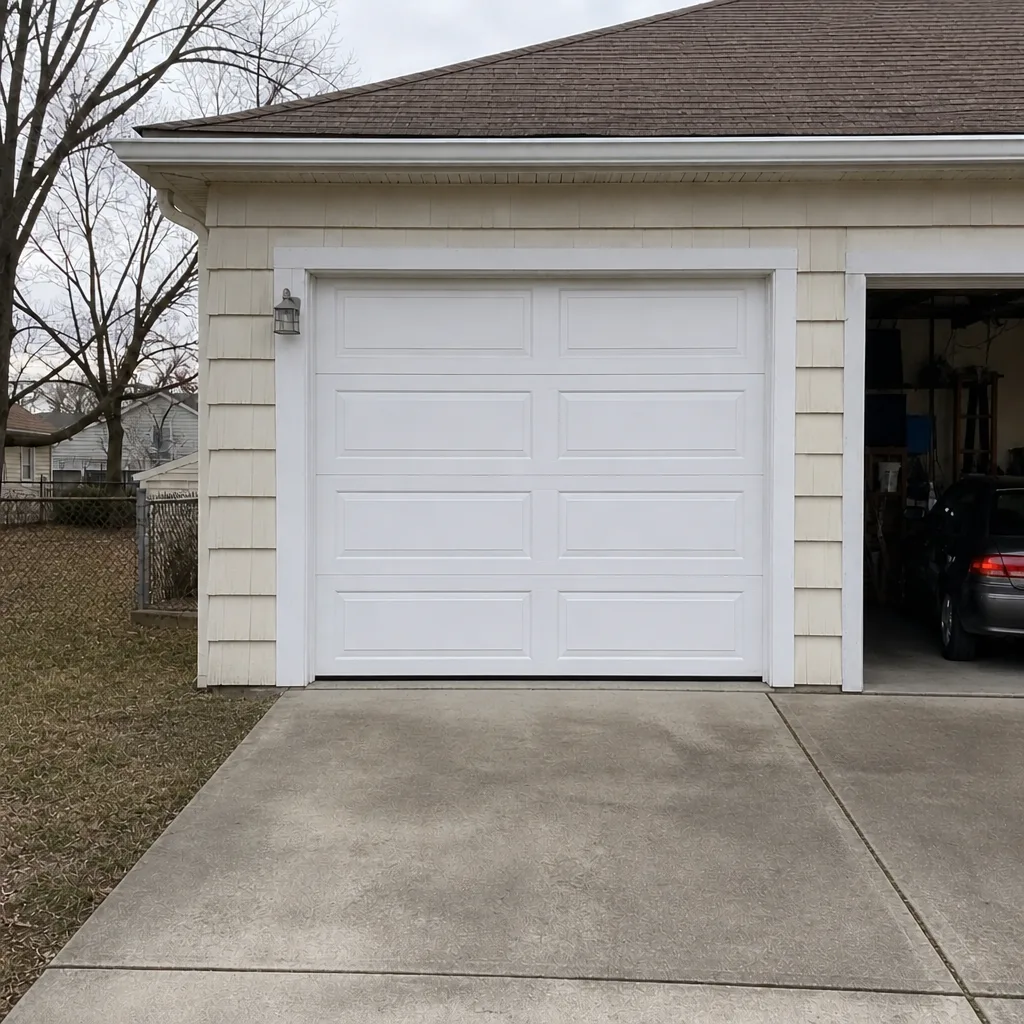 After
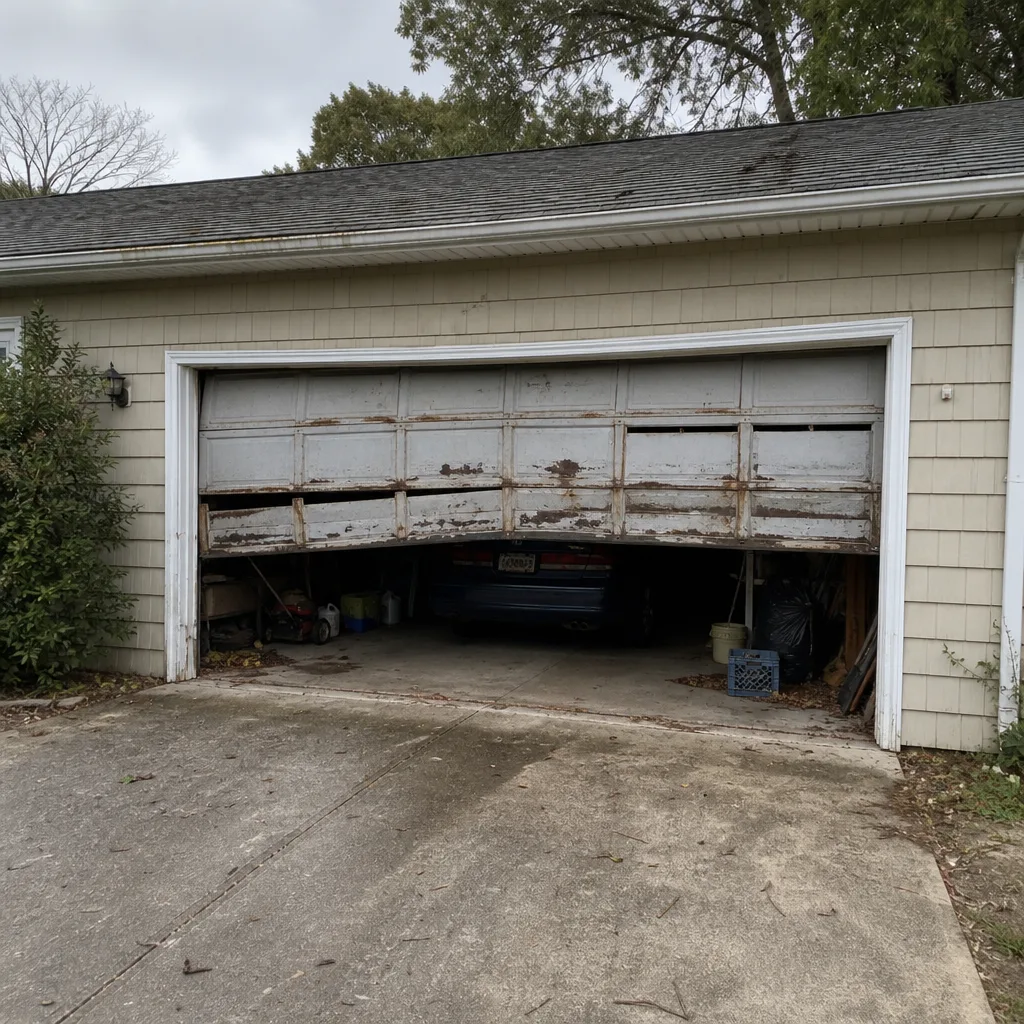 Before
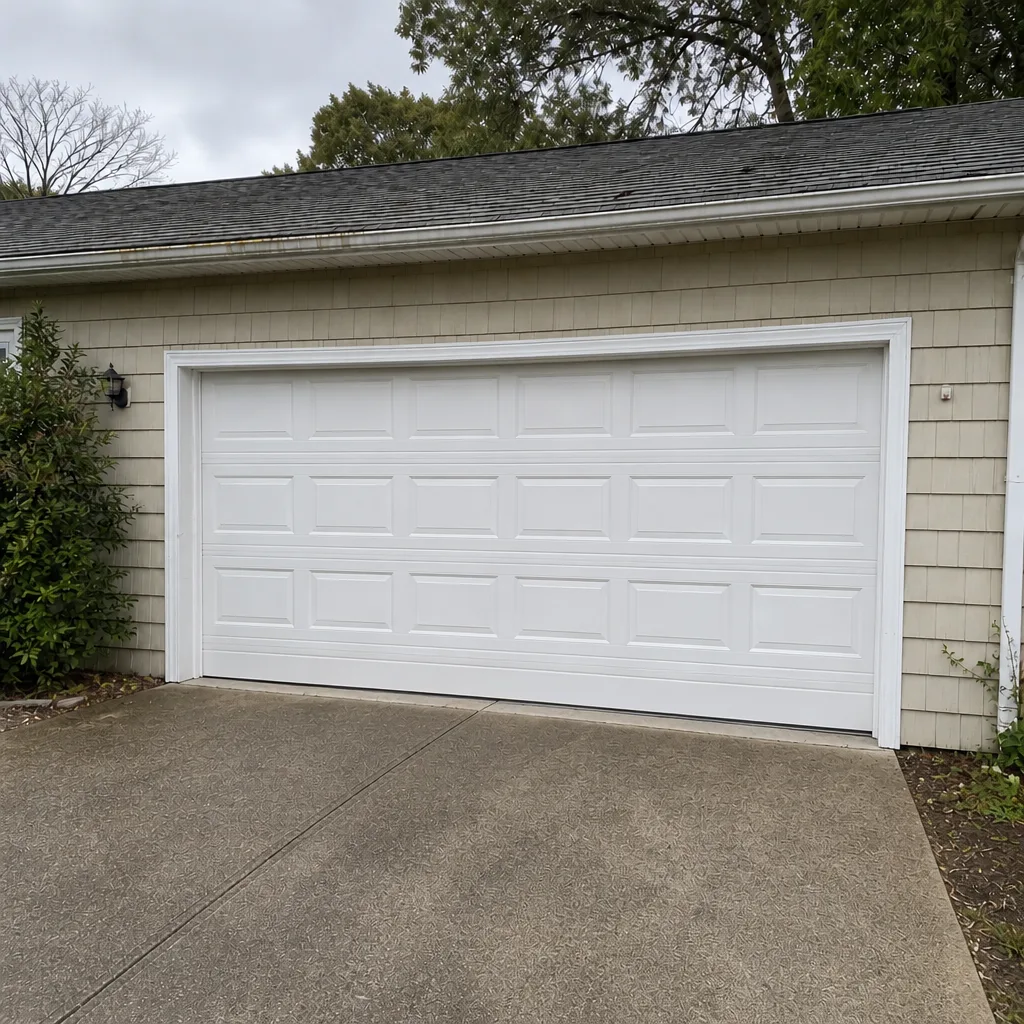 After
When to Call a Professional
Call us when the sign involves the spring, the cable, the track, or the door’s balance. Any of those needs a trained technician and a proper set of tools. Also call when you’ve had two or more warning signs from different parts of the door at the same time – that combination often means the whole system is at end of life and the repair needs to be planned carefully. If your opener is pre-2004 and doesn’t have a photoelectric safety reverse, that’s a call too, and it’s the kind of thing that can wait a few days rather than an emergency. Brentwood Garage Door Repair Co offers free estimates in Brentwood. You can reach us at (855) 337-1178. We answer 24/7. Fast dispatch from 7am to 7pm, Sunday through Friday. Our technicians have up to 11 years of experience and work on eight major garage door and opener brands so we can diagnose the system you already have.
Frequently Asked Questions
A grinding or popping noise during travel is the most common early warning sign, and it usually points to a failing spring or a worn opener gear. The grind is what homeowners hear first, and the pop is what they hear last before the door stops working. If you hear either, call (855) 337-1178 for an exact quote. Estimates are free.
No. A door that still works but is making new sounds, moving unevenly, or reversing before it touches the floor is telling you a part is near end of life. Waiting turns a small repair into a bigger one. A free estimate in Brentwood is the cheapest way to find out whether it’s a this-week fix or a stop-using-it issue. Call (855) 337-1178.
No – torsion springs store enough energy to cause serious injury and should only be serviced by a trained technician. The risk isn’t about skill or courage; it’s the amount of force the spring holds even when the door looks like it’s down. If you think the spring has a problem, stop using the door and call (855) 337-1178.
Openers manufactured before 2004 don’t have to include a photoelectric safety reverse, so the door may only reverse on contact, not when something crosses the beam path. If the door doesn’t stop cleanly when something is in the way, don’t use the door until it’s checked. Call (855) 337-1178 and we’ll confirm what you have.
Cold weather makes springs, cables and torsion bars more brittle, and the door’s metal parts contract slightly, which tightens the whole system. A grind that shows up on the coldest mornings is often an early sign a spring or roller is already stressed. Call (855) 337-1178 to schedule a free estimate.
Tell us the sound, where on the door it happens, when in the cycle it happens, and the brand of the door and opener if you can find them. Photos help. The better the description, the more likely we walk in with the right parts the first time. Call (855) 337-1178 – the price is quoted and agreed before any work starts.
The Bottom Line
Most garage door failures aren’t surprises. They’re ignored warning signs that finally caught up. The four that matter most: a grind or pop during travel, a door that moves unevenly or reverses too early, a fraying cable or bent track, and a pre-2004 opener without a modern safety reverse. If the sign involves the spring or the cable, stop using the door. If it’s a squeal, a rust streak or a slow response from the remote, schedule it this week. The two-minute check once a week is the cheapest insurance you can buy. If you’re not sure whether what you’re hearing is normal, call (855) 337-1178 for a free estimate. We answer 24/7, dispatch from 7am to 7pm Sunday through Friday, and offer same-day service when the situation calls for it. The price is quoted and agreed before any work starts, every time. We work on the brand you already have – Clopay, Amarr, Wayne Dalton, Craftsman and the rest of the eight major lines – so you’re not hunting for a technician who knows your system.
Written by the team at Brentwood Garage Door Repair Co.